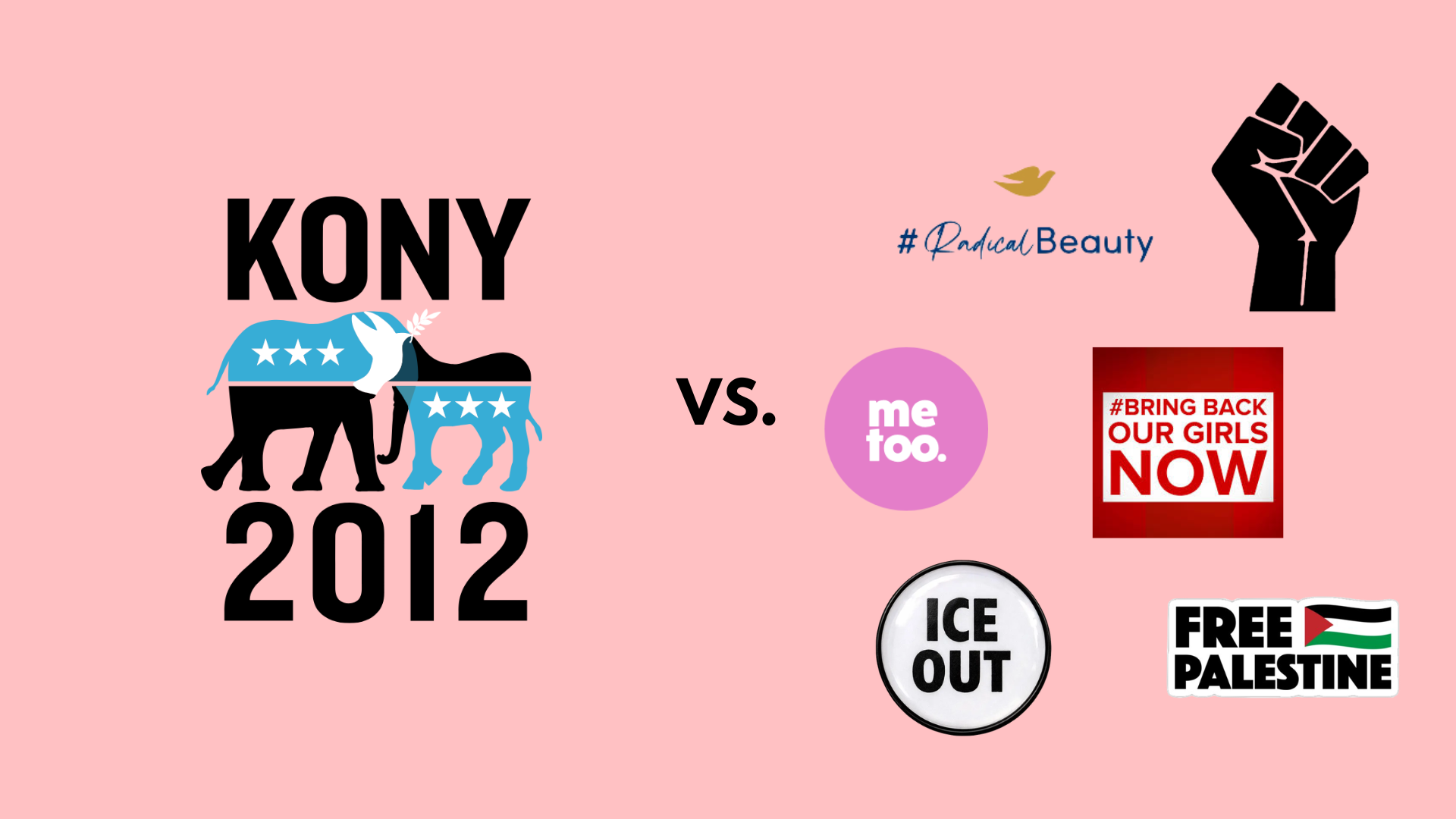
I’ve just discovered one of early social media’s first viral videos, Kony 2012, and I’ve just realized something: I can’t remember the last time a video has actually made me feel something.
Watching Kony 2012 – whether for the first time or revisiting it years later – still hits in a surprisingly emotional way. The video doesn’t just present information, it pulls you into a story. It’s structured almost like a documentary-meets-call-to-action, using a mix of personal storytelling, children’s perspectives, and urgent messaging to make you feel like you have to do something. And honestly, that’s what stuck with me the most: that sense of responsibility. Although the video was made 14 years ago, it made the issue feel immediate, like awareness alone could spark real change.
But rewatching it now, in today’s social media landscape, must feel a little different than it did 14 years ago.
Back in 2012, the idea of a video going that viral – over 100 million views in days – felt groundbreaking. Now, we’re used to content spreading fast on platforms like TikTok or Instagram. But what Kony 2012 did so well (and what still stands out today) is how strategic it was. It wasn’t just a viral moment – it was a carefully designed campaign. It tapped into emotion, made the message simple (“make Kony famous”), and gave viewers a clear role: share, post, spread the word.
That emotional pull is something we still see in social media campaigns today. Think about how often content goes viral because it makes people feel something strongly, whether that’s outrage, empathy, or inspiration. The difference is that now, audiences are a bit more skeptical. We’re quicker to question narratives, fact-check, and call thing out. And that’s one of the biggest lessons from Kony 2012.
One thing that stands out is how Kony 2012 relied heavily on sharing as the main form of participation. The idea was that if enough people reposted the video, it would lead to change. Compare that to campaigns today, like the Ice Bucket Challenge or even newer TikTok trends, where participation is more active. People don’t just share; they do something, create their own version, and bring others into it. That shift from passive to participatory engagement is huge.
So what can we learn from Kony 2012 as we think about using social media for good?
First, is that emotion is powerful – but it needs to be paired with responsibility. It’s not just about making people care; it’s about helping them understand. Second, simplicity helps content spread, but it shouldn’t come at the cost of truth. And finally, the most impactful campaigns today invite people to participate, not just observe.
Kony 2012 showed us what social media is capable of. But it also reminds us that going viral isn’t the end goal – real, lasting impact is.
Leave a Reply