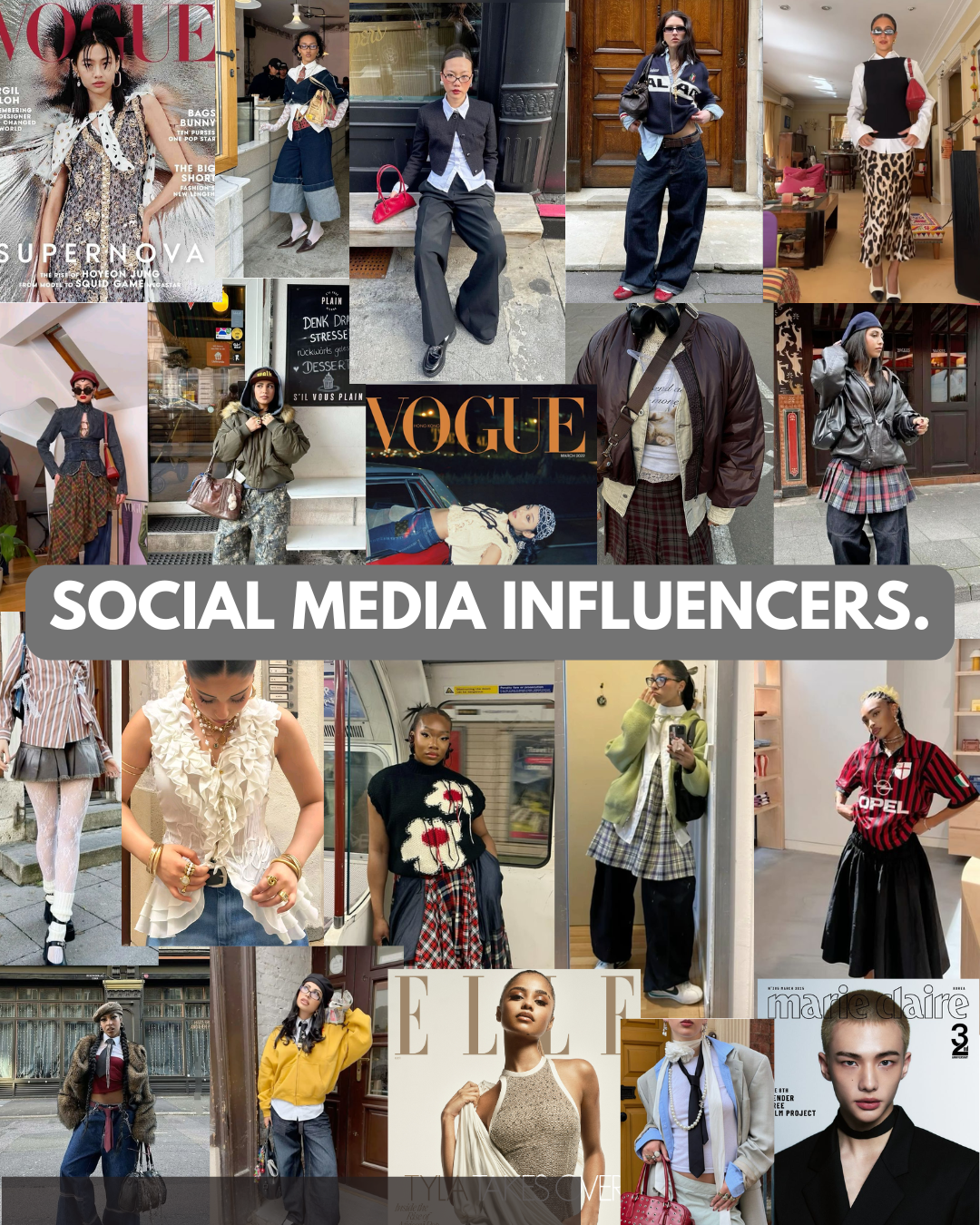
If you’ve ever scrolled through Instagram or TikTok and suddenly felt the urge to completely reinvent your wardrobe… you’re not alone. Fashion influencers are everywhere, shaping what we wear, how we shop, and even how we see ourselves. But are they actually helping the fashion world, or making it more chaotic?
Fashion influencers, at their core, are content creators who share style inspiration, outfit ideas, and brand recommendations with their followers. Some of my favorites are Kiana (@kianaamn), Jade Fiona (@jadeybird), and Ines Silva (@irisloveunicorns). Over time, they’ve become major players in the fashion industry, acting as a bridge between brands and everyday consumers. In fact, research shows that influencers can significantly shape how people perceive brands and whether they decide to make a purchase (Handranata & Kalila, 2025). This, over time, has become a huge deal for brands and designers.
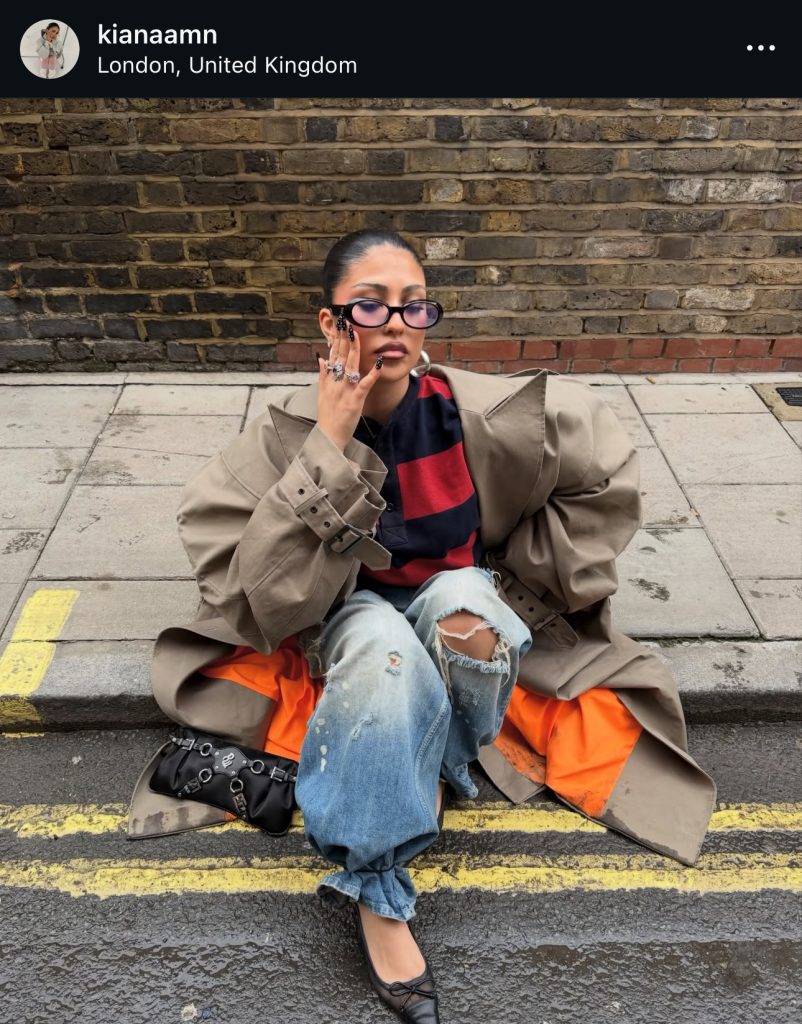
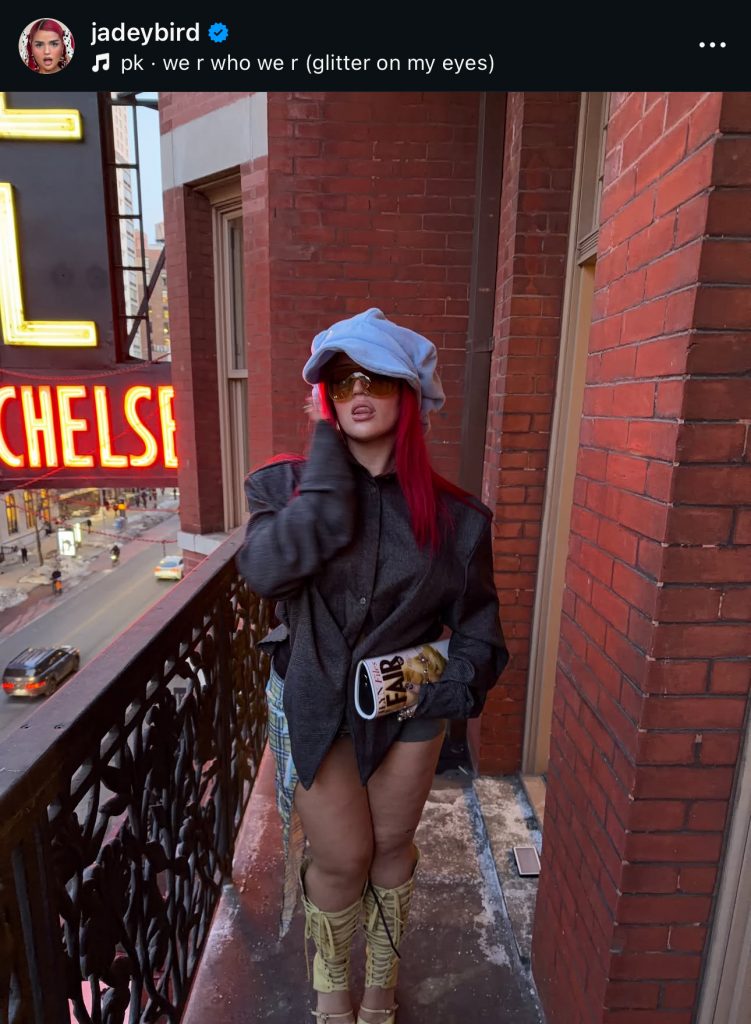
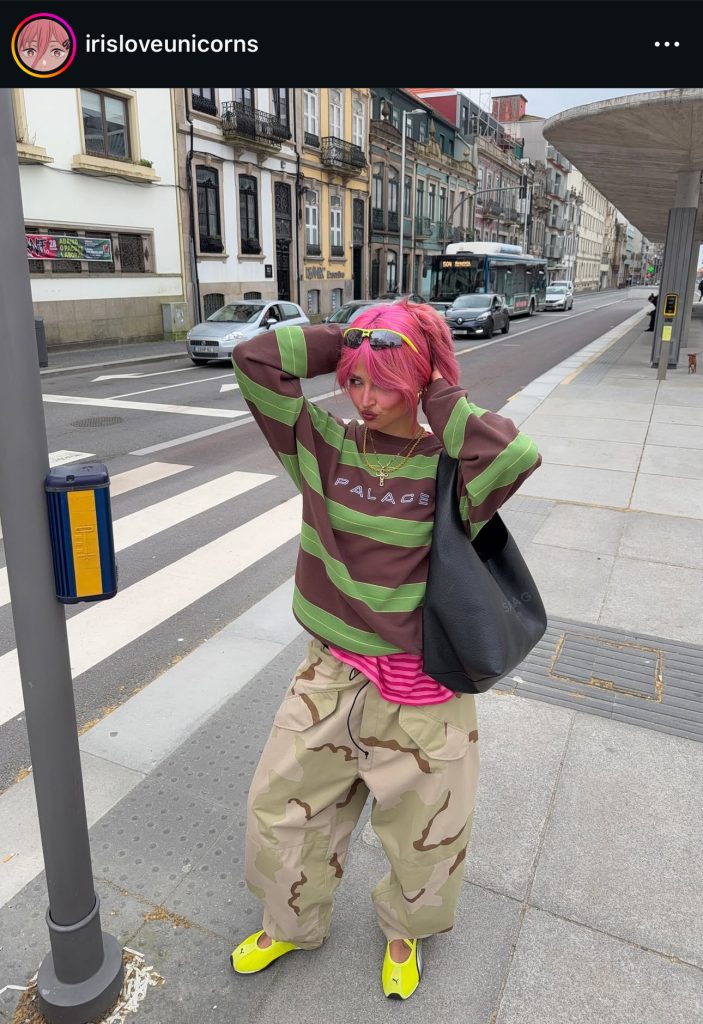
On the positive side, influencers have made fashion way more accessible. You no longer need to flip through expensive magazines to see trends – now they show up right on your feed. Many influencers also help people discover new brands, experiment with personal style, and feel inspired to express themselves. According to research, followers often turn to influencers for outfit ideas, product opinions, and trend updates, which makes fashion feel more interactive and personal (Escourido-Calvo et al, 2025).
There’s also the strong feeling of relatability needed by consumers. Unlike traditional models or celebrities, influencers often feel more “real.” They talk directly to their audience, share their daily lives, and build trust. That trust is powerful – when followers perceive influencers as knowledgeable and authentic, they’re more likely to take their advice seriously! Some influencers even use their platforms to promote sustainability, body positivity, or mindful shopping, which can push the industry in a better direction.
However, for designers and small businesses, there are definitely downsides to fashion influencers.
One of the biggest criticisms of fashion influencers is overconsumption. If you’ve seen “haul” videos – where creators show off dozens of new clothing items – you’ve probably noticed how normalized constant shopping has become. This kind of content can encourage people to buy more than they need, contributing to fast fashion and waste. Even industry discussions point out that influencer-driven content can blur ethical lines, especially when creators purchase excessive items just for content and return them later (Hildreth, 2026).
There’s also the issue of authenticity. Not every recommendation is as genuine as it seems. Sponsored posts and brand deals can make it hard to tell whether influencers truly love a product or are just being paid to promote it. Influencers in the past, when it comes to beauty (*cough.. Mikayla Nogueira) or fashion, have been caught exaggerating effects or reviews just to have better results for their videos. Without direct mention of a sponsorship, it can be hard to point out which posts are paid or not.
And then there’s the pressure. Constant exposure to perfectly curated outfits and lifestyles can make people feel like they’re not “doing enough” with their own style. Some viewers even report changing their shopping habits or buying things they don’t actually need just to keep up. Influencers may be inspiring – but they can also unintentionally set unrealistic standards.
Something interesting I found is how the influencer space itself is actually evolving. Trends like “de-influencing” and “frugal fashion” are starting to push back against overconsumption, encouraging people to shop more intentionally and rethink their shopping habits. So even within influencer culture, there is a growing awareness of its impact on the fashion industry.
I created a Substack post explaining our shift of consuming fashion media, and how drastic the change really is. Influencers are just one (very noticeable) piece of that puzzle. So where does that lead the fashion industry moving forward?
Fashion influencers aren’t entirely good or bad – they’re a mix of both. They inspire creativity and connection, but they can also fuel overconsumption and unrealistic expectations. Like most things online, it really comes down to how we engage with them.
What do you think about fashion influencers? Do you have any favorites you love (or ones you avoid)? Comment below!
Works Cited
DeJesus, V. (2025, March 9). Digital Media is Killing the Fashion Industry [Review of Digital Media is Killing the Fashion Industry]. Substack; Substack. https://vjesus.substack.com/p/digital-media-is-killing-the-fashion?r=56w002&utm_campaign=post&utm_medium=web&triedRedirect=true
Escourido-Calvo, M., Martin-Bermudez, F., Outes-Castro, F., & Santos, V. R. (2025). The Strategic Impact of Macro and Micro Fashion Influencers on Instagram. International Journal of Service Science, Management, Engineering, and Technology, 16(1), 1–18. https://www.sciencedirect.com/org/science/article/pii/S1947959X25000014?
Handranata, Y. W., & Kalila, S. (2025). Attitude toward Fashion Influencers and Its Impact on Purchase behavior: the Roles of Brand Attitude and Purchase Intention. Frontiers in Communication, 10. https://www.frontiersin.org/journals/communication/articles/10.3389/fcomm.2025.1583602/full
Hildreth, A. (2026, April 7). Are Haul Videos Making Fashion’s Returns Problem Worse? Vogue. https://www.vogue.com/article/are-haul-videos-making-fashions-returns-problem-worse?
Leave a Reply