Category: Social Media for the Public Good

  • Using Social Media As A Tool For Justice

    Using Social Media As A Tool For Justice

    When we think about social media today, it’s easy to associate it with trends, influencers, or even spreading misinformation. But during major global and political movements, social media has proven it can be a very powerful tool. It can inform, connect, and sometimes even challenge systems of power.

    One huge example is the Arab Spring. At first glance, it almost feels like social media “caused” these revolutions, but it’s a bit more complicated than that. Social media platforms like Twitter and Facebook gave people a space to share information, organize protests, and show the entire world what was happening in real time. Hashtags like #egypt and #libya connected millions of people into one conversation, creating what researchers call “issue publics,” where information can spread quickly during major events (Bruns et al., 2013).

    It is also important to note, however, that social media didn’t single-handedly topple governments. According to the research, it acted more like a tool – something activists used to amplify their voices, but not the sole driver of change (Bruns et al., 2013). People were still physically protesting, organizing on the ground, and risking their lives; social media just made those efforts more visible and connected.

    What really stands out to me is how social media allows everyday people – not just politicians or journalists – to become part of the conversation. During the Arab Spring, videos, tweets, and firsthand accounts were shared globally within seconds. Even when governments tried to shut down the internet, people found ways around it just to keep their voices heard. This says a lot about how powerful these platforms can be when people are determined to use them.

    We’ve also seen similar patterns more recently, when looking at movements like Black Lives Matter which gained massive attention online during the COVID pandemic. Social media has become a space for education, activism, and unity all at once. It gives people the ability to raise awareness, share resources, and challenge those in power.

    With that being said, social media isn’t perfect. One major issue is misinformation. Just like it can spread awareness quickly, it can also spread false information just as fast. And in political movements, that can be dangerous. It can confuse people, create division, or even weaken a cause. This is why knowing the difference between true and false information is so important!!

    At the end of the day, social media is a tool, not a solution. It can amplify voices, build communities, and bring global attention to injustice. But real change still requires action beyond the screen. While social media platforms give celebrities and influencers both power and accessibility, it is what they choose to do with that power that really makes a difference.

    Works Cited

    Bruns, A., Highfield, T., & Burgess, J. (2013). The Arab Spring and Social Media Audiences: English and Arabic Twitter Users and Their Networks: English and Arabic Twitter Users and Their Networks. American Behavioral Scientist, 57(7), 871-898.
  • Why You Can’t Stop Scrolling (Is It A Good Thing?)

    Why You Can’t Stop Scrolling (Is It A Good Thing?)

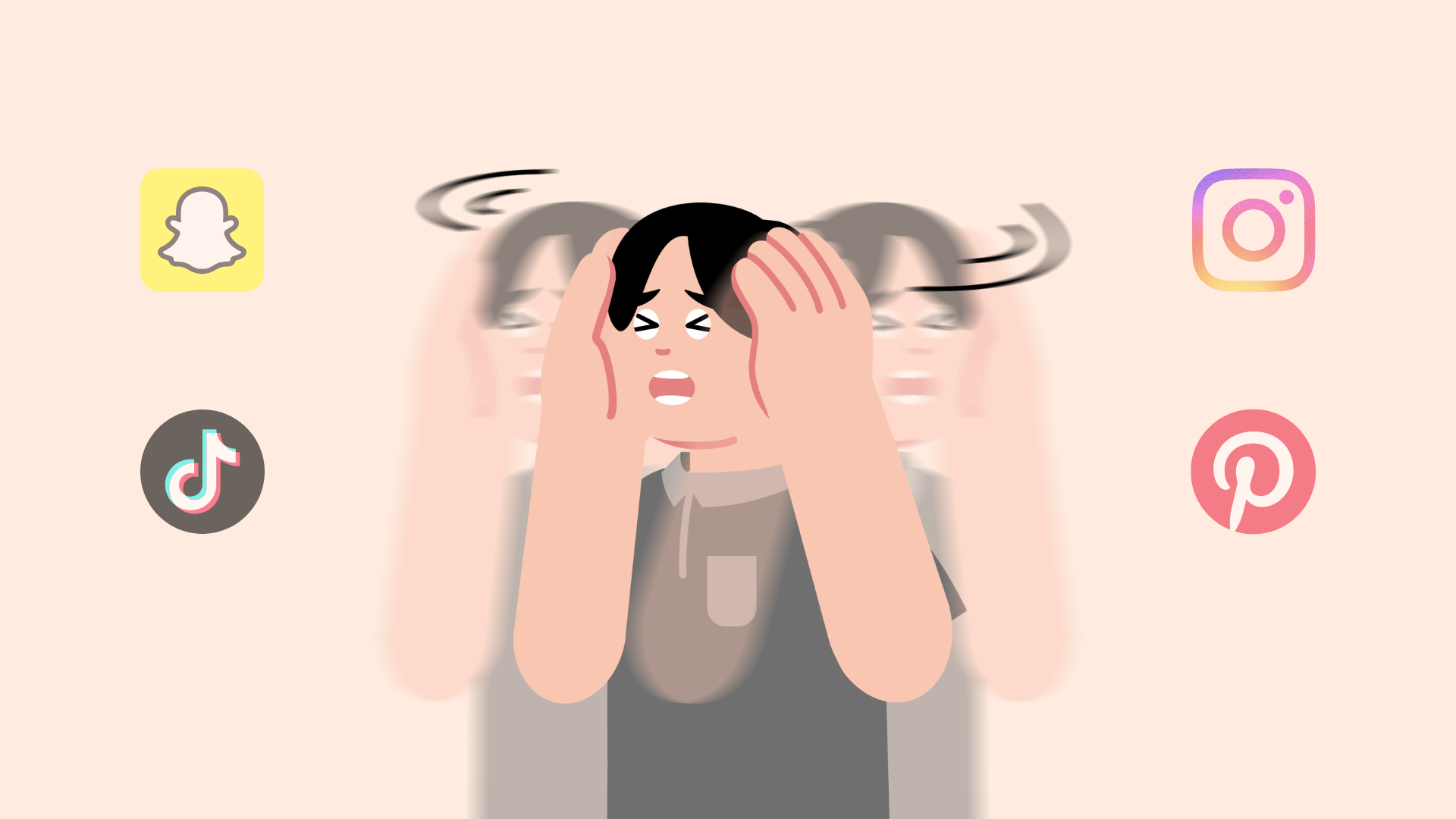
    Be honest – how many times have you opened TikTok “for five minutes” and looked up after doom scrolling for an hour?

    Don’t worry, it happens to us all.

    That feeling is called stickiness. In social media, stickiness refers to how well content keeps you coming back, staying longer, and interacting more. It’s the reason you binge videos, double-tap posts, and fall into comment-section rabbit holes.

    Stickiness, however, isn’t just about wasting time. It can actually be used for something good!

    According to research on platforms like YouTube, stickiness is driven by things like interactivity, sharing behavior, and personal motivation—basically, content that makes you feel involved and connected keeps you around longer (Chiang & Hsiao, 2015). Things like comments, likes, reposts, and other actions help make you feel like part of something.

    If content creators and organizations understand what makes something “sticky,” they can use it to promote causes that matter. For example, awareness campaigns, mental health resources, or social justice movements can use emotional storytelling, relatable content, and interactive features to pull people in and keep them engaged. The more time people spend with meaningful content, the more likely they are to learn, share, and take action.

    Even marketing expert Neil Patel emphasizes that “sticky content” works best when it’s valuable, emotional, and easy to engage with – basically, content people actually care about (Patel, n.d).

    While all of this is positive, stickiness can also be negative.

    The same strategies that keep you watching educational videos can also trap you in endless scrolling, misinformation, or content that isn’t exactly helping your mental health. Platforms are designed to keep your attention, not necessarily protect your well-being. And while engagement becomes the goal, it often becomes blurred with so much doom scrolling leading to negative thoughts and perspectives.

    All in all, we can conclude that stickiness isn’t good or bad, but is a tool that depends on how it’s used.

    Creators, brands, and even everyday users have the power to shape the information that spreads. If we focus on content that informs, uplifts, and connects people, social media can actually move us toward a brighter future, instead of a more distracted one.

  • Would Kony 2012 Work Today?

    Would Kony 2012 Work Today?

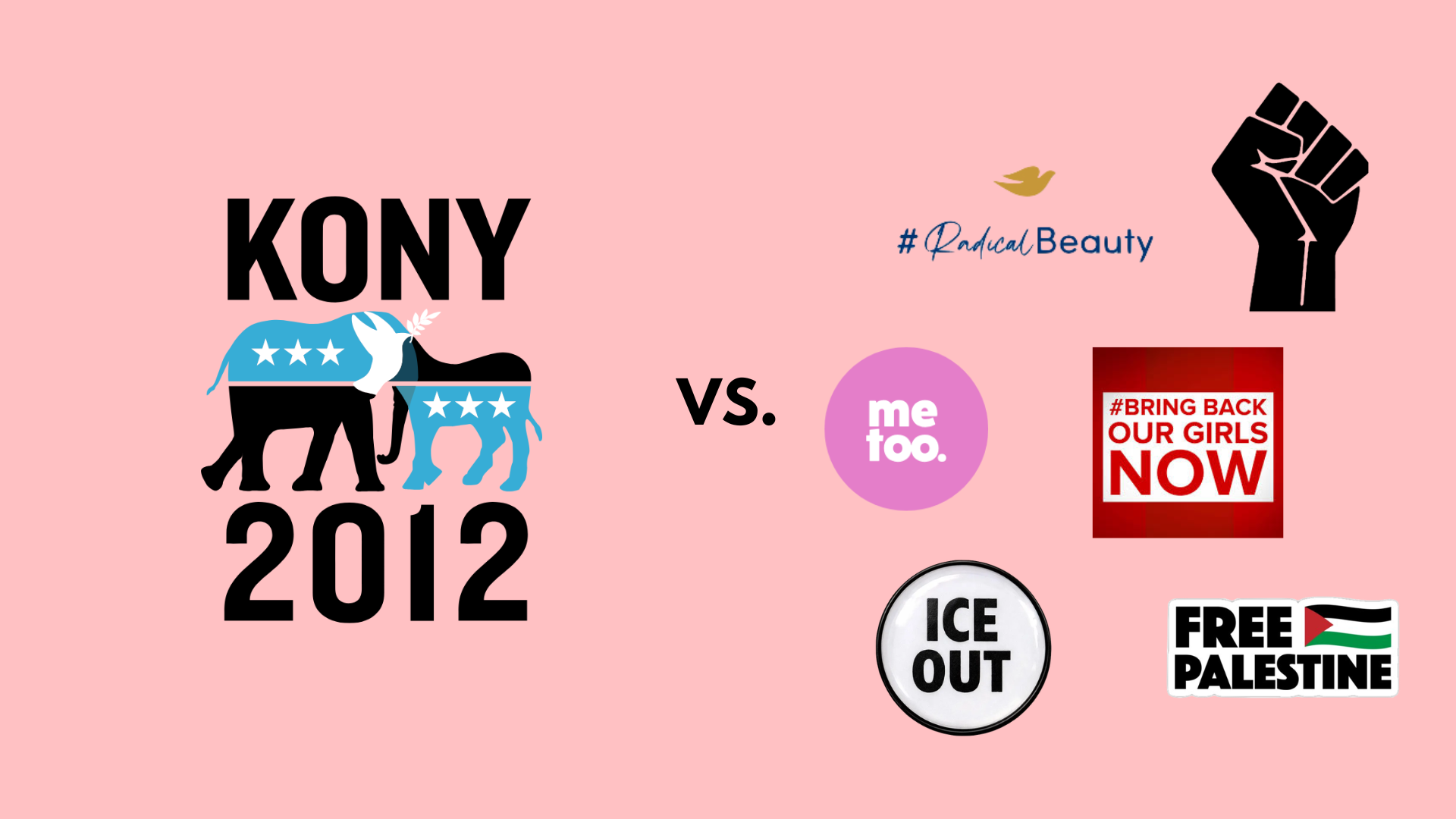
    I’ve just discovered one of early social media’s first viral videos, Kony 2012, and I’ve just realized something: I can’t remember the last time a video has actually made me feel something.

    Watching Kony 2012 – whether for the first time or revisiting it years later – still hits in a surprisingly emotional way. The video doesn’t just present information, it pulls you into a story. It’s structured almost like a documentary-meets-call-to-action, using a mix of personal storytelling, children’s perspectives, and urgent messaging to make you feel like you have to do something. And honestly, that’s what stuck with me the most: that sense of responsibility. Although the video was made 14 years ago, it made the issue feel immediate, like awareness alone could spark real change.

    But rewatching it now, in today’s social media landscape, must feel a little different than it did 14 years ago.

    Back in 2012, the idea of a video going that viral – over 100 million views in days – felt groundbreaking. Now, we’re used to content spreading fast on platforms like TikTok or Instagram. But what Kony 2012 did so well (and what still stands out today) is how strategic it was. It wasn’t just a viral moment – it was a carefully designed campaign. It tapped into emotion, made the message simple (“make Kony famous”), and gave viewers a clear role: share, post, spread the word.

    That emotional pull is something we still see in social media campaigns today. Think about how often content goes viral because it makes people feel something strongly, whether that’s outrage, empathy, or inspiration. The difference is that now, audiences are a bit more skeptical. We’re quicker to question narratives, fact-check, and call thing out. And that’s one of the biggest lessons from Kony 2012.

    One thing that stands out is how Kony 2012 relied heavily on sharing as the main form of participation. The idea was that if enough people reposted the video, it would lead to change. Compare that to campaigns today, like the Ice Bucket Challenge or even newer TikTok trends, where participation is more active. People don’t just share; they do something, create their own version, and bring others into it. That shift from passive to participatory engagement is huge.

    So what can we learn from Kony 2012 as we think about using social media for good?

    First, is that emotion is powerful – but it needs to be paired with responsibility. It’s not just about making people care; it’s about helping them understand. Second, simplicity helps content spread, but it shouldn’t come at the cost of truth. And finally, the most impactful campaigns today invite people to participate, not just observe.

    Kony 2012 showed us what social media is capable of. But it also reminds us that going viral isn’t the end goal – real, lasting impact is.

  • Does Posting Actually Do Anything?

    Does Posting Actually Do Anything?

    You’ve probably done it before—liked a post about an issue, maybe shared it to your story, and then kept scrolling like nothing happened.

    Same.

    It kind of makes you wonder… does social media activism actually work, or are we all just participating in something that feels important but doesn’t really go anywhere?

    After learning more about it, I realized the answer isn’t that simple.

    In a nutshell, social media activism is basically how people use platforms to raise awareness, organize, and push for change. But what makes it different from older forms of activism is how connected everything is. Social media creates these huge networks where information can spread instantly, connecting people across different places, backgrounds, and experiences to one social issue.

    Unlike the past, movements can go viral overnight – no need to wait for the next news segment or newspaper to come out.

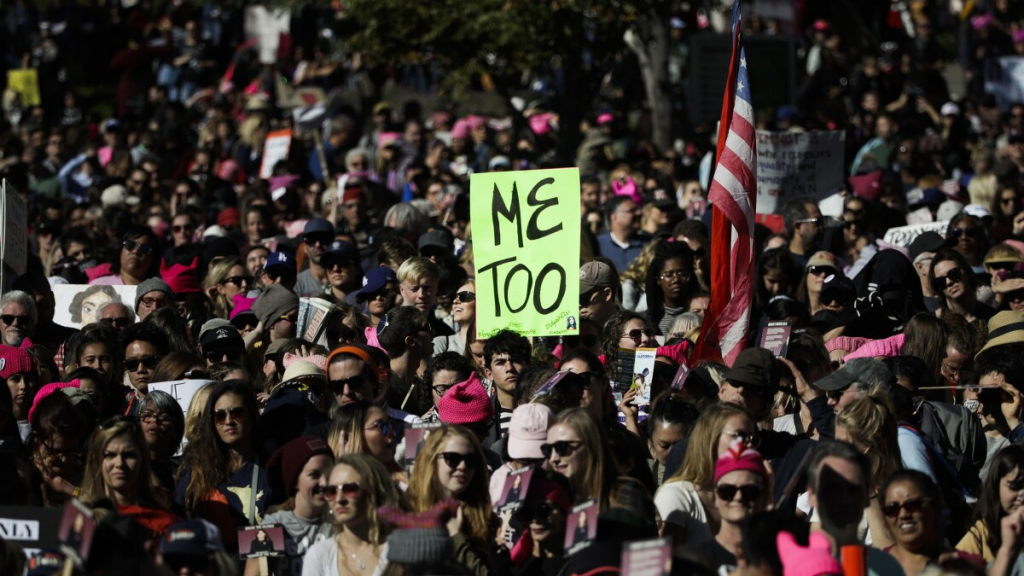
    But what really surprises me is that social media isn’t just about posting. It actually plays multiple roles behind the scenes. It helps people organize events, recruit others, share ideas, and even coordinate real-world action. Think of #MeToo, or #BlackLivesMatter, and their turnouts in terms of protests and real-world activism. In other words, what happens online doesn’t always stay only online.

    The #MeToo Movement allowed survivors to tell their stories of sexual harassment and abuse. The hashtag #MeToo was used by 2.3 million X users in 85 different countries in 2015, which allowed for many protests to occur around the world.

    At the same time, there’s still a lot of debate about whether this kind of activism is “enough.” You’ve probably heard the term slacktivism—the idea that liking or sharing something is a weak form of activism. And honestly, that can be true sometimes. Clicking a button is easy, and it doesn’t always lead to deeper understanding or real change.

    But that’s not the whole story.

    Even small actions online can help spread awareness, and awareness is often the first step toward change. Social media also gives people a voice who might not have had one before. It allows individuals to share their experiences, build communities, and challenge dominant narratives without needing traditional media.

    Still, there are limits. Not everyone sees the same content, and sometimes messages get lost in the noise. Social media can also create its own hierarchies, where certain voices get more attention than others. So while social media feels open and free, it’s not always equal to everyone.

    I think the biggest takeaway for me is that social media activism isn’t meaningless—but it’s also not enough on its own.

    It’s a tool. And its impact depends on how we use it. So the question isn’t if posting matters, but instead what we do after we post.

  • Using Social Media for GOOD!

    Using Social Media for GOOD!

    Social media often gets a bad reputation a lot of the time – ruining attention spans, spreading misinformation, all of that good stuff. But besides all of that, we also overlook just how powerful social media can be when it’s used the right way. Social media isn’t just about doomscrolling or new trends; it’s a space where people can connect, speak up, and actually create change, even if it doesn’t always look like traditional activism.

    After writing about the limitations of social media, I started to see activism a lot differently. Most of the time, awareness never leads to action. A lot of what we do online – liking posts, reposting videos, adding hashtags – can feel meaningful without actually requiring much effort. That’s where critics like Malcom Gladwell come in, arguing that social media creates “weak ties” that don’t always lead to real, lasting change. And honestly, I get that. Real movements usually take deeper commitment than just clicking a button.

    But at the same time, I don’t think that makes social media useless. If anything, I think it shows that its real strength is starting the conversation. Social media has made it so much easier for people to learn about issues they might have never paid attention to before. It amplifies voices – especially marginalized ones – and gives people a way to share experiences on a global scale. That kind of visibility wasn’t always possible.

    I also think people underestimate how small actions can build into something bigger. Even if posting or sharing seems “low effort,” it can still create momentum. It introduces people to causes, encourages discussion, and sometimes pushes them to get more involved offline. Social media might not complete the work, but it can definitely start it. One of the biggest examples of this is the Black Lives Matter movement in 2020. Filmed and uploaded by Darnella Frazier at just 17 years old, the video was seen by millions of people in just a couple of days and sparked global protests, inspiring the Black Lives Matter movement.

    What makes me most hopeful is how social media connects people. It creates communities around shared values and issues, making people feel less alone and more motivated to care. And while trends can come and go quickly, the connections and awareness they create don’t always disappear as fast as we think.

    At the end of the day, I don’t see social media as a perfect solution—but I do see it as a powerful tool. When it’s used intentionally, it can educate, connect, and inspire action. Real change still requires effort beyond the screen, but social media can be the spark that gets people there. And honestly, that’s something worth being optimistic about.