Category: Capstone

  • Award Show Fashion: How Celebrities Are Making Political Movements During Award Show Season

    Award Show Fashion: How Celebrities Are Making Political Movements During Award Show Season

    As someone interested in fashion, besides musical performances I usually only watch award shows for the red carpet. But recently, I’ve noticed something different. It’s not just about the dress or the designer anymore, but the message. Many celebrities are using award shows, usually the bigger ones, to send out political messages to the public.

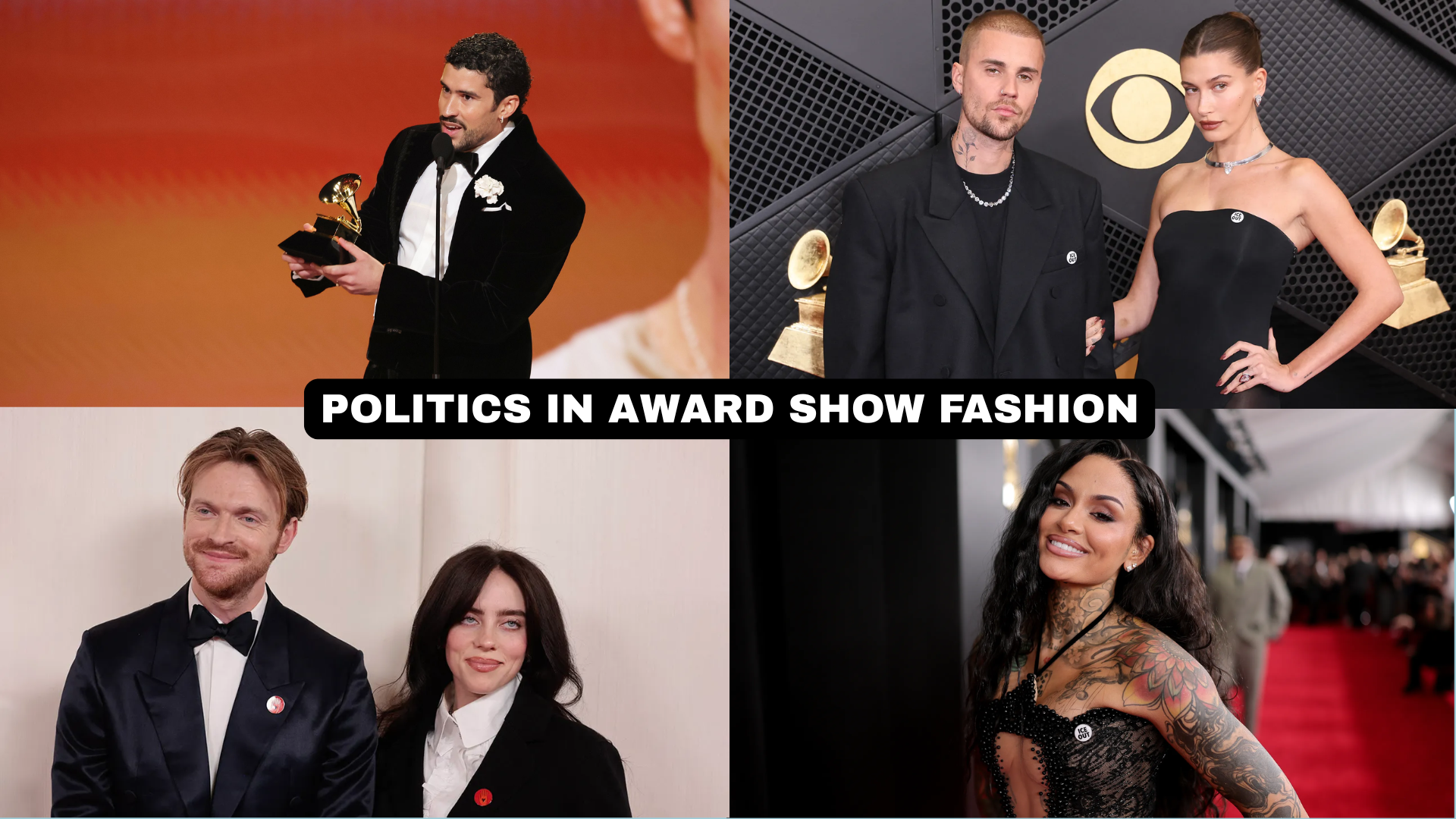
    This past season, one of the biggest things that stood out to me was how many celebrities were wearing pins. Not just random accessories, but ones with clear messages. At the 2026 Golden Globes, multiple celebrities showed up wearing “ICE OUT” pins, calling attention to issues surrounding U.S. Immigration and Customs Enforcement (Associated Press, 2026). And it wasn’t just one or two people—it was a noticeable trend across the carpet.

    Then at the Grammys, it happened again. Artists like Billie Eilish and others wore the same pins, turning what could’ve been just another fashion moment into something bigger (O’Keeffe, 2026). I think what makes this so interesting is how subtle it is. It’s not a full outfit screaming for attention—it’s a small detail that still manages to say a lot.
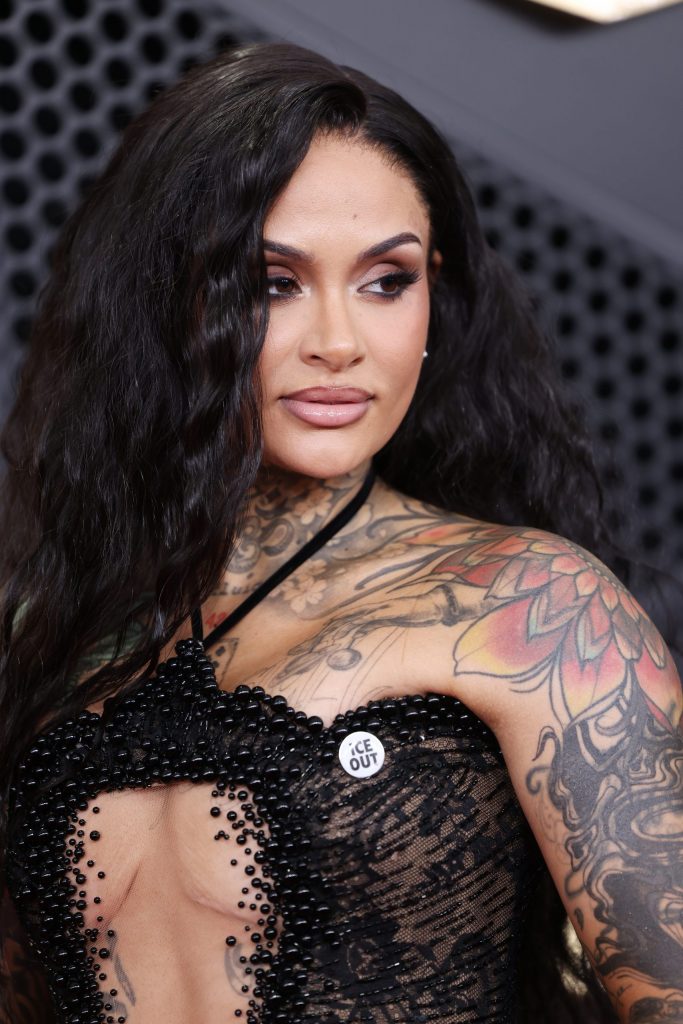
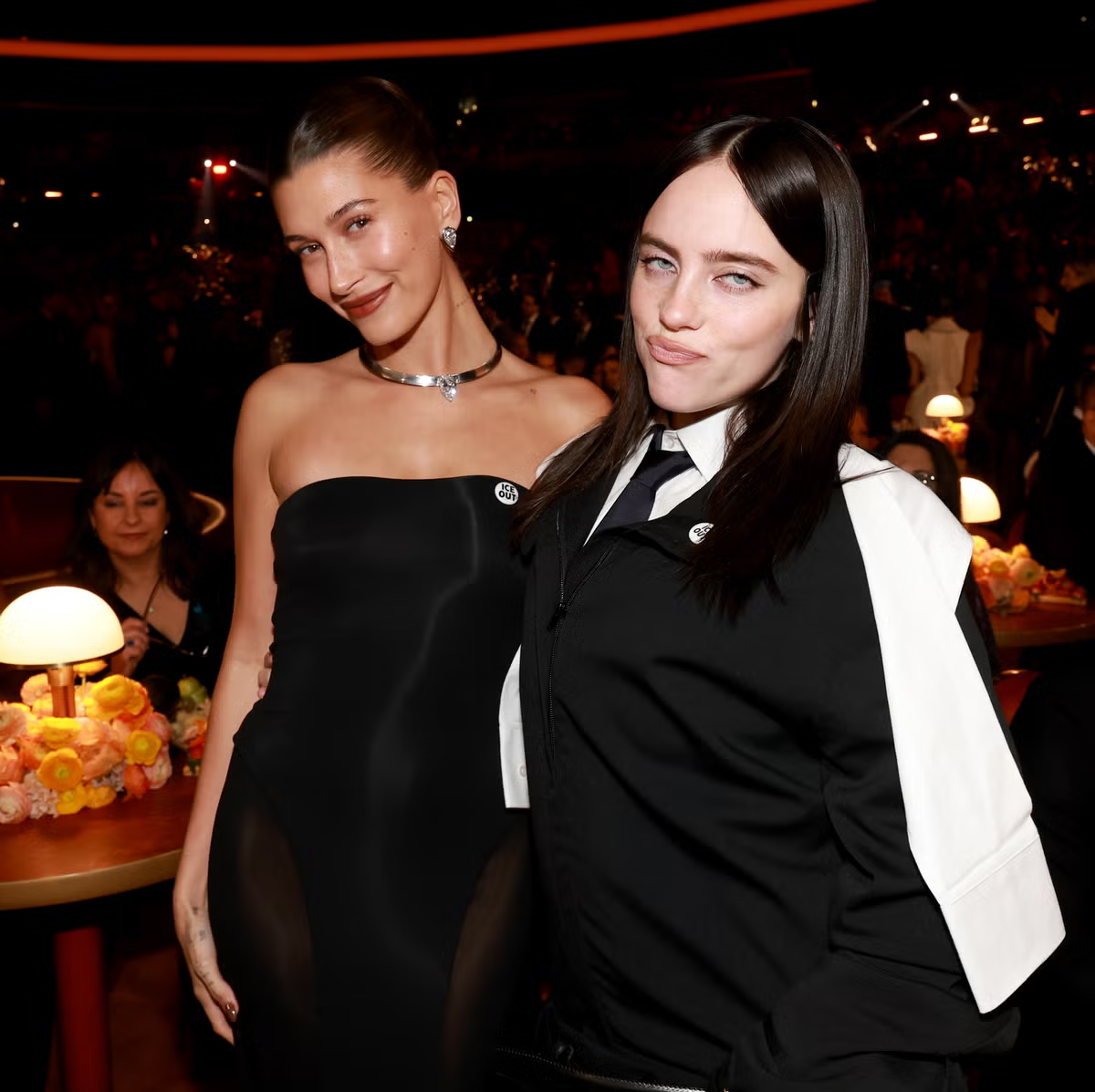
    The Oscars had their own version of this too. Celebrities were seen wearing “Artists4Ceasefire” pins, showing support for peace in the Israel–Palestine conflict (Moneycontrol, 2026). Again, it’s something you might miss if you’re just focused on the gowns—but once you notice it, it completely changes how you see both the celebrity and the look.

    And it’s not just pins. Some celebrities have gone even further, incorporating political messages directly into their outfits or using interviews and speeches to make their stance clear. At the 2025 Emmys, for example, there were visible expressions of support for the “Free Palestine” movement, both through fashion and public statements (Indiatimes, 2025). At that point, it’s not even subtle anymore – it’s intentional.

    Hannah Einbinder, who won Best Supporting Actress In A Comedy Series at the 77th Emmy Awards, made bold statements at the end of her speech, saying “F*** ICE” and “Free Palestine”.

    I think this shift says a lot about where we are right now. Celebrities have always had influence, but now there’s more pressure to actually use it. Staying silent can almost be seen as taking a stance in itself. So instead of separating fashion from real-world issues, they’re blending the two.

    But at the same time, I get why some people are skeptical. It’s easy to question whether wearing a pin actually does anything. Is it real activism, or just a trend? Personally, I think it’s a bit of both. A pin alone won’t change policy, but it can start conversations. And in a world where everything ends up online within seconds, those conversations can spread fast.

    This is why award show fashion is so interesting right now. It’s not just about aesthetics anymore – it’s about visibility, messaging, and sometimes even protest. What used to be purely visual is now also symbolic.

    So now I’m curious – have you noticed celebrities using fashion to support political movements? Do you think it actually makes an impact, or is it more performative?
    Let me know!!

    Works Cited

    Associated Press. (2026). Celebrities wear pins protesting ICE at the Golden Globes.

    Moneycontrol. (2026). Oscars 2026: Celebrities wear ‘Artists4Ceasefire’ and ‘ICE OUT’ pins.

    O’Keeffe, E. (2026). Celebrities wore “ICE OUT” pins at the Grammys this year.

    (2025). Supporting Actress In A Comedy Series: 77th Emmy Awards. Television Academy.
  • Microtrends vs. Timeless Style: What Should You Actually Buy?

    Microtrends vs. Timeless Style: What Should You Actually Buy?

    If you’ve spent even five minutes on TikTok lately, you’ve probably seen a new “must-have” item every week. One day it’s ballet flats, the next it’s chunky headphones as accessories. Welcome to the world of microtrends – tiny, fast-moving fashion waves that rise and fall almost overnight.

    Microtrends are largely fueled by social media, where content is constantly refreshed and trends spread instantly. Because of this, styles don’t last long – what’s viral today might feel outdated next month (Lee, 2022). Unlike traditional fashion cycles that have lasted decades, microtrends are unpredictable and short-lived, often driven by algorithms and influencer culture rather than designers or seasons (Talbot, 2021).

    On the surface, microtrends are fun. They allow for creativity, experimentation, and self-expression. On the downside, they are deeply tied to fast fashion.

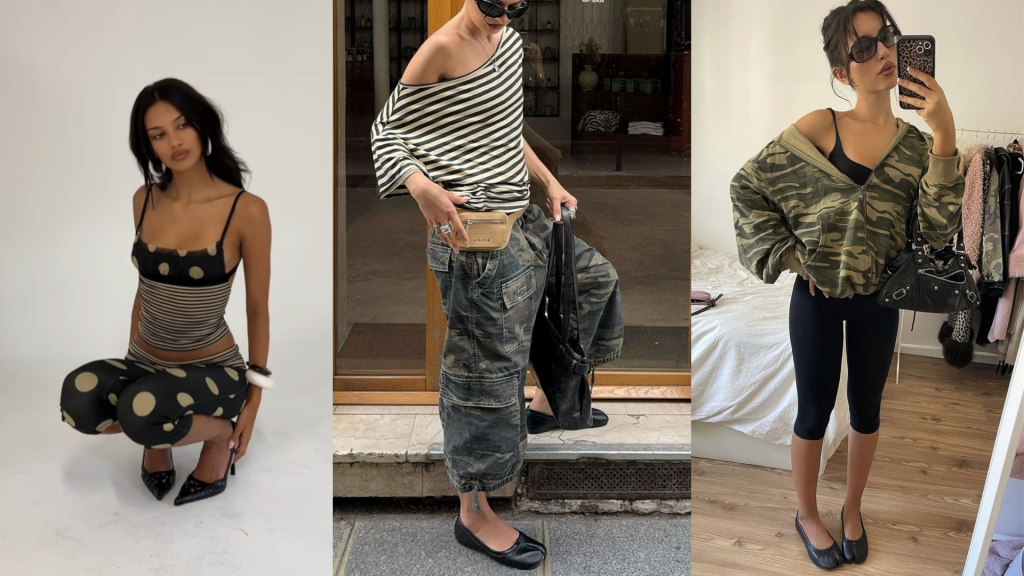
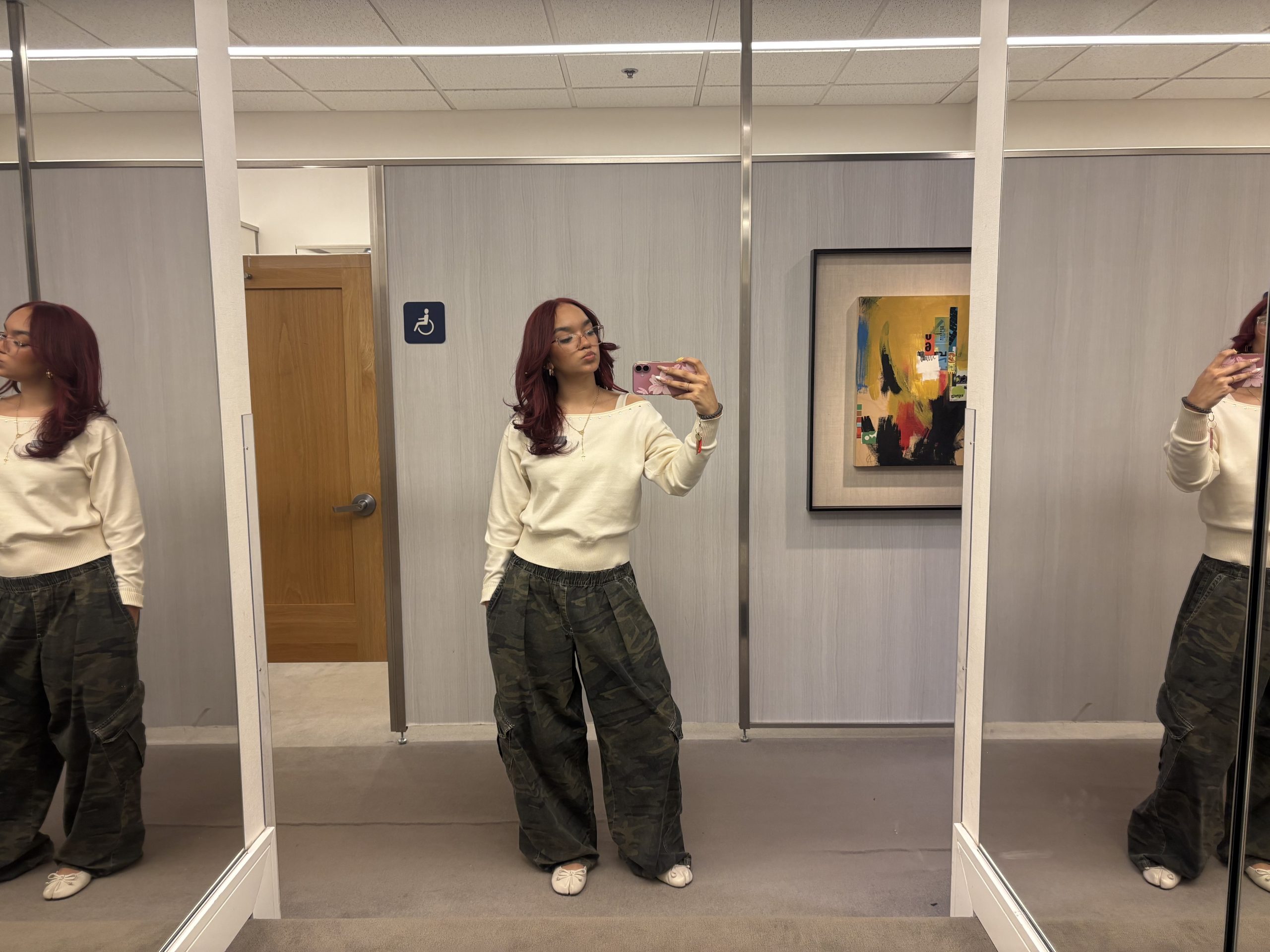
    Polka dots, stripes, camo, capris; microtrends are fun way to mix up your wardrobe!

    Fast fashion brands (SHEIN, TEMU, TikTok Shop) thrive on speed – producing cheap, trendy clothing at an extremely rapid pace to keep up with demand. This model encourages overconsumption, with people buying more clothes and wearing them less. In fact, clothing production has doubled since 2000, and many garments are discarded after only a few wears (McKinsey & Company, 2025). The environmental impact is massive, contributing to significant waste and carbon emissions.

    So where does timeless style come in?

    Timeless fashion is the opposite of microtrends. Examples include neutral blazers, well-fitted jeans, classic white shirts – pieces that don’t just go out of style and can be worn for years. Instead of chasing what’s trending, timeless style focuses on quality, versatility, and longevity.

    As microtrends rise, many consumers – especially Gen Z – are becoming more aware of sustainability and shifting their habits. Some are turning to thrifting or investing in fewer, better-quality pieces to reduce waste (CT Insider, 2025).

    This shift has also spotlighted sustainable designers and brands. Labels like Reformation, Stella McCartney, and Patagonia prioritize ethical production, eco-friendly materials, and transparency. Smaller brands like Paloma Wool also show how creativity and sustainability can coexist (Talbot, 2021).

    On the other hand, sustainable fashion isn’t perfect – it can sometimes be more expensive and sometimes falls into “greenwashing,” where brands exaggerate their eco-friendly efforts. But overall, sustainable clothing encourages a mindset shift: buying less, choosing better, and wearing pieces longer.

    So… what should you actually buy?

    The answer isn’t to completely avoid trends. Fashion should still be fun! But before impulsively buying into every microtrend, I always ask myself these questions:

    • What items do I already have that I can pair this with?
    • Will I wear this more than a few times?
    • Can I style it in multiple ways?
    • Does it align with my personal style?

    A balanced wardrobe might include a few trendy pieces, but should be built on a foundation of timeless staples and sustainable choices.

    Microtrends aren’t going anywhere, but neither is the growing awareness of their impact. As consumers, we have more power than we think. Every purchase, from fast or sustainable fashion, is a vote for the kind of fashion industry we want to support.

    In the past, have you preferred sustainable or fast fashion? Why?

    Works Cited

    Lee, A. (2026). Microtrends: The Implications of What You See on Your “For You” Page. The Harvard Crimson. https://www.thecrimson.com/article/2022/2/18/microtends-fashion-think-piece-tiktok/?

    Lutge, K. (2025, June 7). Gen Z is choosing thrifting in Connecticut instead of fast fashion. CT Insider. https://www.ctinsider.com/business/article/gen-z-thrifting-connecticut-fast-fashion-20357233.php?

    Talbot, H. (2021, June 4). Are Instagram microtrends making or breaking sustainable fashion? Euronews. https://www.euronews.com/2021/06/05/are-instagram-microtrends-making-or-breaking-sustainable-fashion?

    What is fast fashion? (2023, December 7). McKinsey & Company. https://www.mckinsey.com/featured-insights/mckinsey-explainers/what-is-fast-fashion?

  • What’s Trending This Spring (And Why They’re Back)

    What’s Trending This Spring (And Why They’re Back)

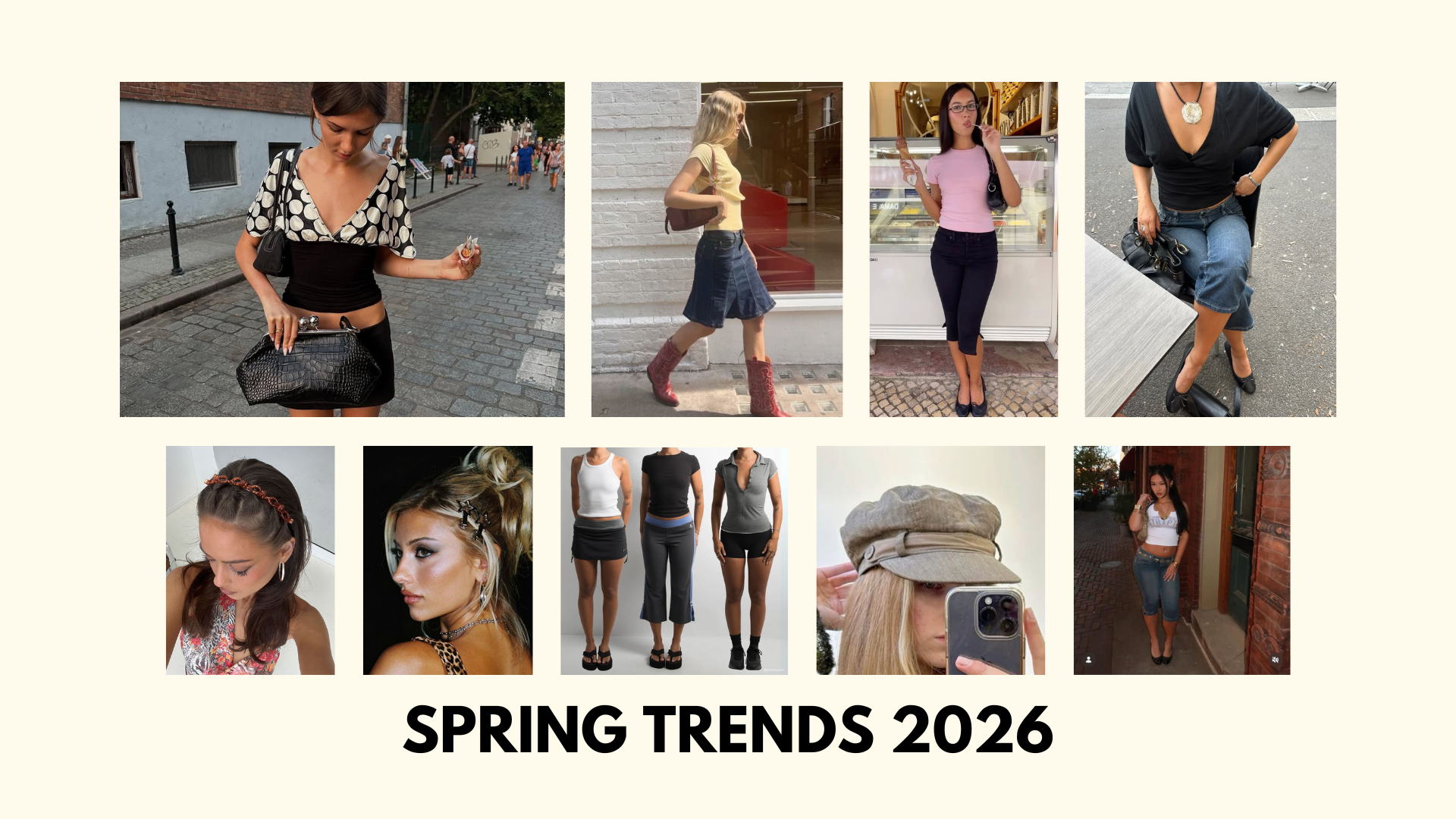
    It’s about that time where every time my mom sees my outfit, she talks about how she used to wear the same clothes when she was my age. Like history, fashion has a funny way of repeating itself, and right now, trends from the past are having a major moment again.

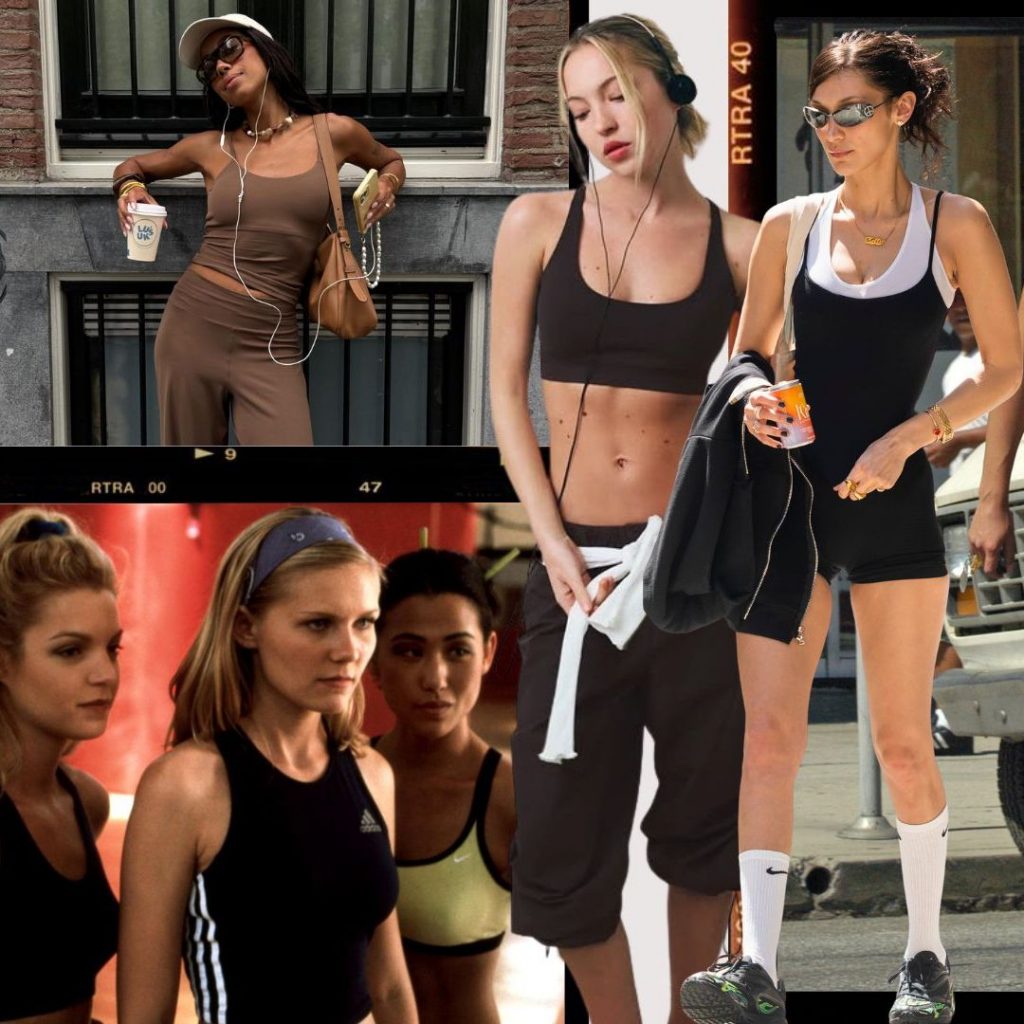
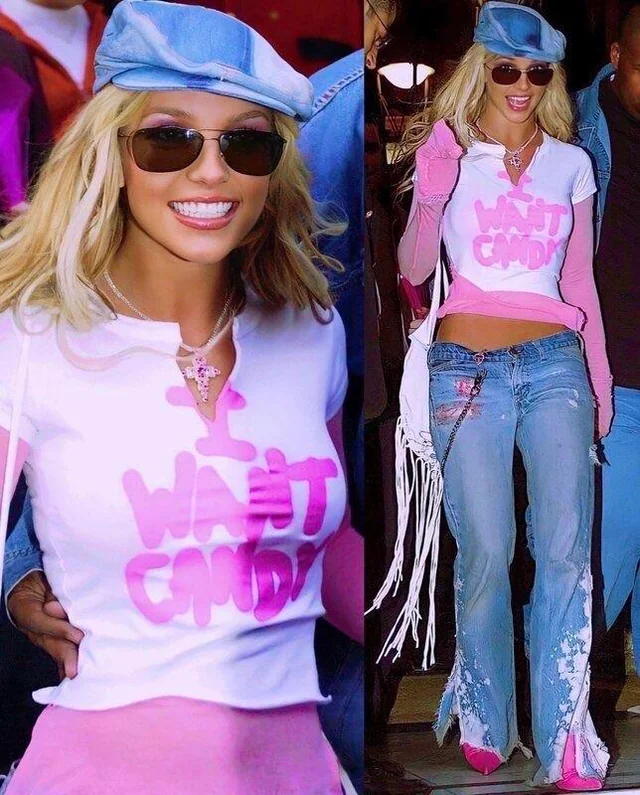
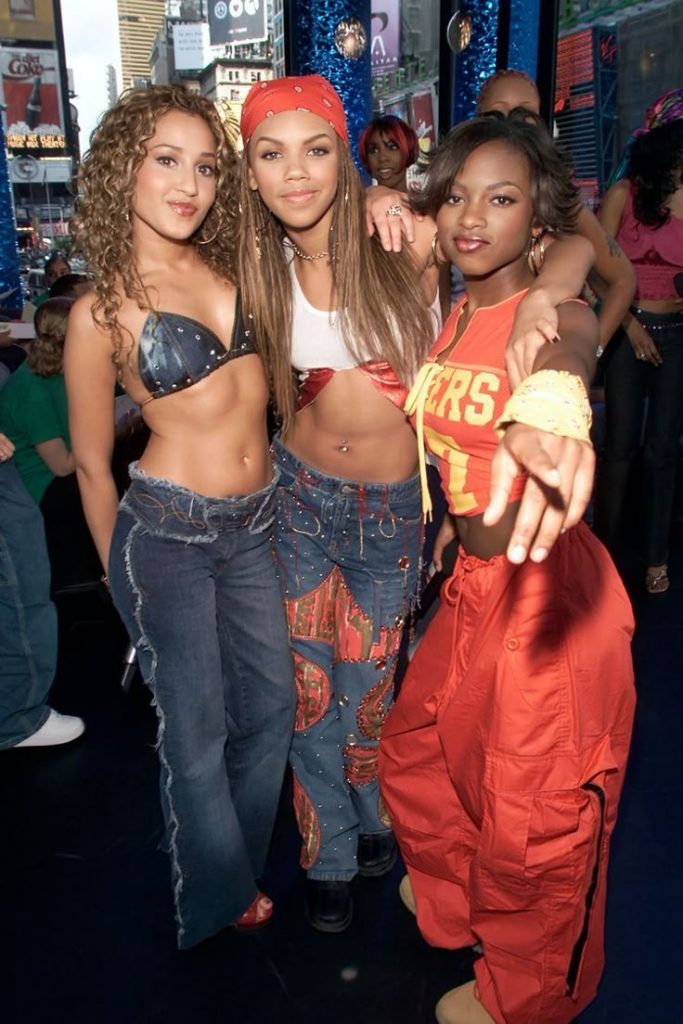
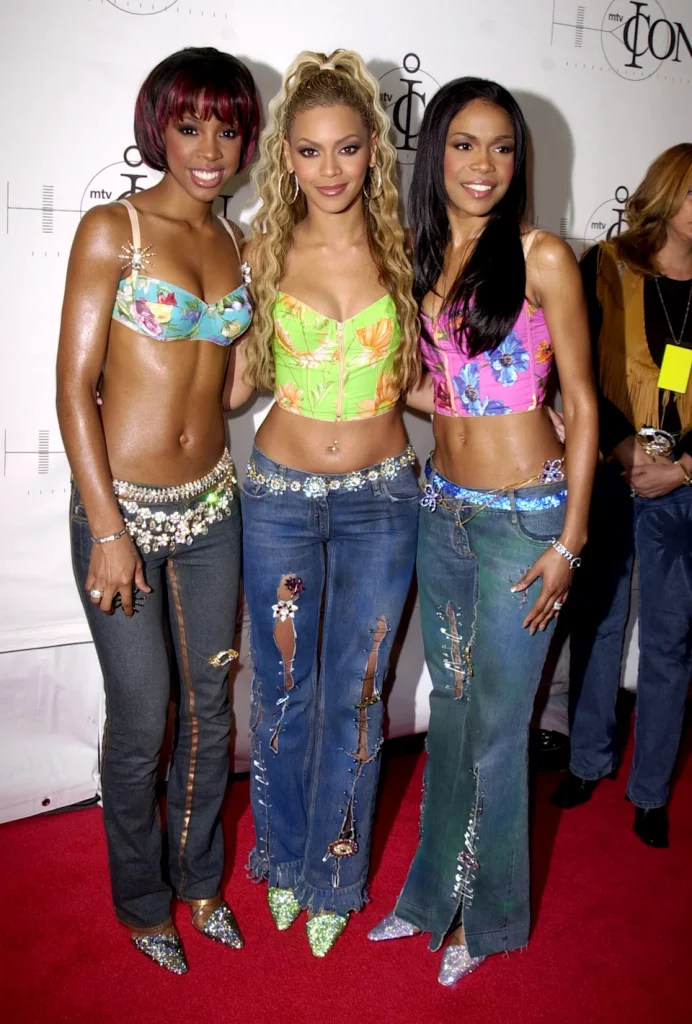
    One of the biggest comebacks we’re seeing today? Y2K fashion – aka early 2000s style. Think low-rise jeans, baby tees, and that iconic mix of sporty and sparkly. Back in the day, these looks were everywhere, and now they’re back with a modern twist. Athleisure, in particular, has made a huge return. Originally rooted in comfort-focused early 2000s outfits like velour tracksuits, today’s version blends casual wear with a more polished, street-style edge (PrintKK, 2025). It’s the kind of trend that lets you look put together while still feeling like you’re in pajamas—which, honestly, is a win.

    Collage of workout wear in the 2000s and today, made by Who What Wear.
    “Gen Z Has Just Discovered 2000s Activewear—It’s the Only Thing They’re Wearing to Work Out”

    But it’s not just silhouettes coming back, it’s also bold colors and playful aesthetics. Y2K fashion was never subtle, and today’s revival reflects that same energy. Bright hues, metallic fabrics, and statement pieces are replacing the minimalist “quiet luxury” vibe that dominated recent years. Fashion is shifting toward self-expression again, encouraging people to stand out instead of blend in.

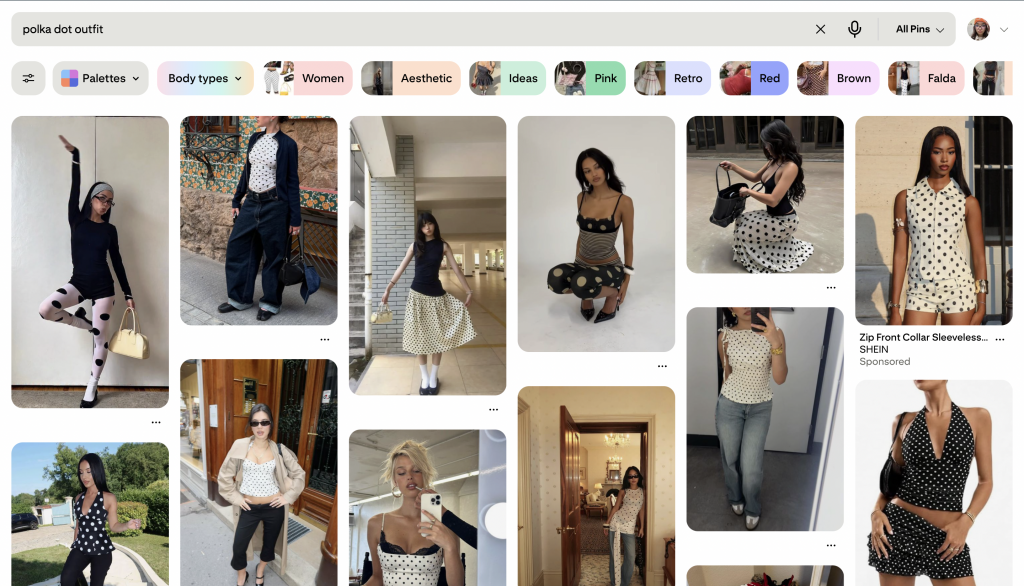
    Another trend making waves? Polka dots. Yes, the same print you might associate with vintage dresses or even your childhood wardrobe is suddenly everywhere again. But this time, it’s not just cute, but elevated. Designers are reimagining polka dots with asymmetrical patterns, bold color combinations, and modern silhouettes (Oh, 2025). Searches for polka dot items have even skyrocketed, showing just how quickly this “retro” print has re-entered the mainstream (Sitton, 2025). What makes this comeback interesting is how it blends nostalgia with sophistication – you can wear polka dots to brunch, class, or even a more dressed-up event.

    Searches for ‘polka dot outfit’ on Pinterest shows a wide variety of how the pattern can be styled!

    And honestly, this whole cycle isn’t random. Fashion is deeply tied to nostalgia, especially during uncertain times. People often look to the past for comfort, which is why styles from the early 2000s, or even earlier decades, feel appealing again. Polka dots, for example, have been around since the 19th century and have resurfaced multiple times, each time with a slightly different vibe (Ahuja, 2025). Now, they’re being styled in ways that feel fresh but still familiar.

    Social media also plays a huge role in bringing these trends back. Platforms like TikTok and Instagram constantly recycle aesthetics, introducing them to new audiences. A trend that someone wore 20 years ago suddenly feels brand new when it shows up on your feed styled in a modern way. Gen Z, in particular, has embraced this mix of old and new, turning thrifted or vintage-inspired pieces into everyday outfits.

    So to tie everything together, fashion isn’t about constantly inventing something new. It’s about reinventing what already exists. Whether it’s Y2K athleisure, bold colors, or polka dots, these trends prove that style is cyclical. What was once “outdated” can easily become the next big thing again.

    And who knows? The outfits we’re wearing today will be considered vintage in just a few years. So if you’ve been holding onto old pieces in your closet… now might be the time to bring them back.

    Works Cited

    Ahuja, S. (2025). How polka dots are making a bold comeback in 2025 fashion. Harper’s Bazaar. https://www.harpersbazaar.in/fashion/story/spot-on-polka-dots-take-over-2025-fashion-trends-1151797-2025-01-09?

    Oh, H. (2025). Polka dots are the fashion trend taking over in 2025. Cosmopolitan. https://www.cosmopolitan.com/style-beauty/fashion/g64728741/polka-dot-fashion-trend/?

    PrintKK. (2025). 15 Y2K fashion trends making a bold comeback in 2025. https://www.printkk.com/blog/articles/y2k-fashion?

    Sitton, S. (2025). Polka-dots are the trending print of 2025. Fashionista. https://fashionista.com/2025/03/shop-polka-dot-trend-dresses-tops-bottoms-2025?

  • Influencers’ Impact on The Fashion Industry

    Influencers’ Impact on The Fashion Industry

    If you’ve ever scrolled through Instagram or TikTok and suddenly felt the urge to completely reinvent your wardrobe… you’re not alone. Fashion influencers are everywhere, shaping what we wear, how we shop, and even how we see ourselves. But are they actually helping the fashion world, or making it more chaotic?

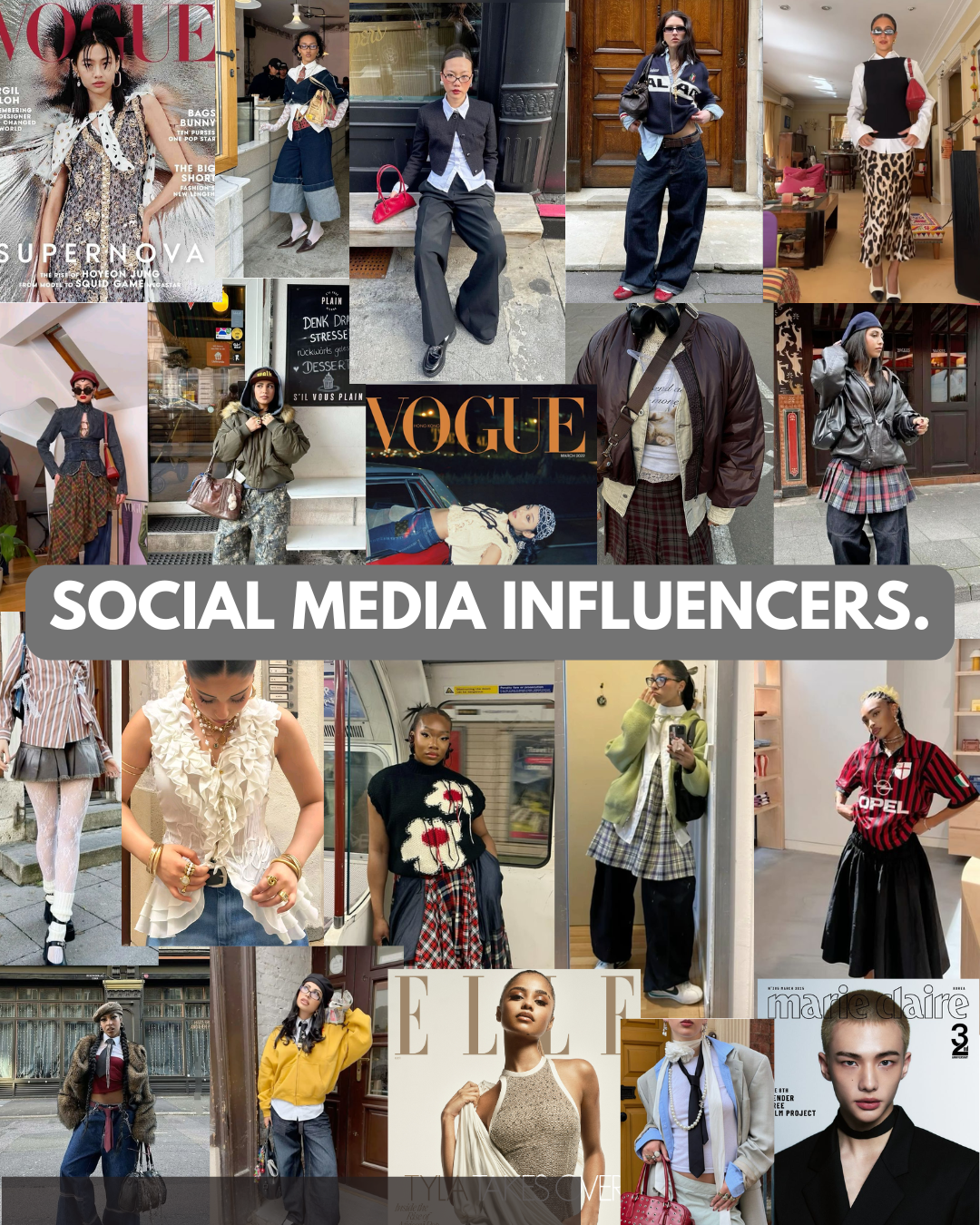
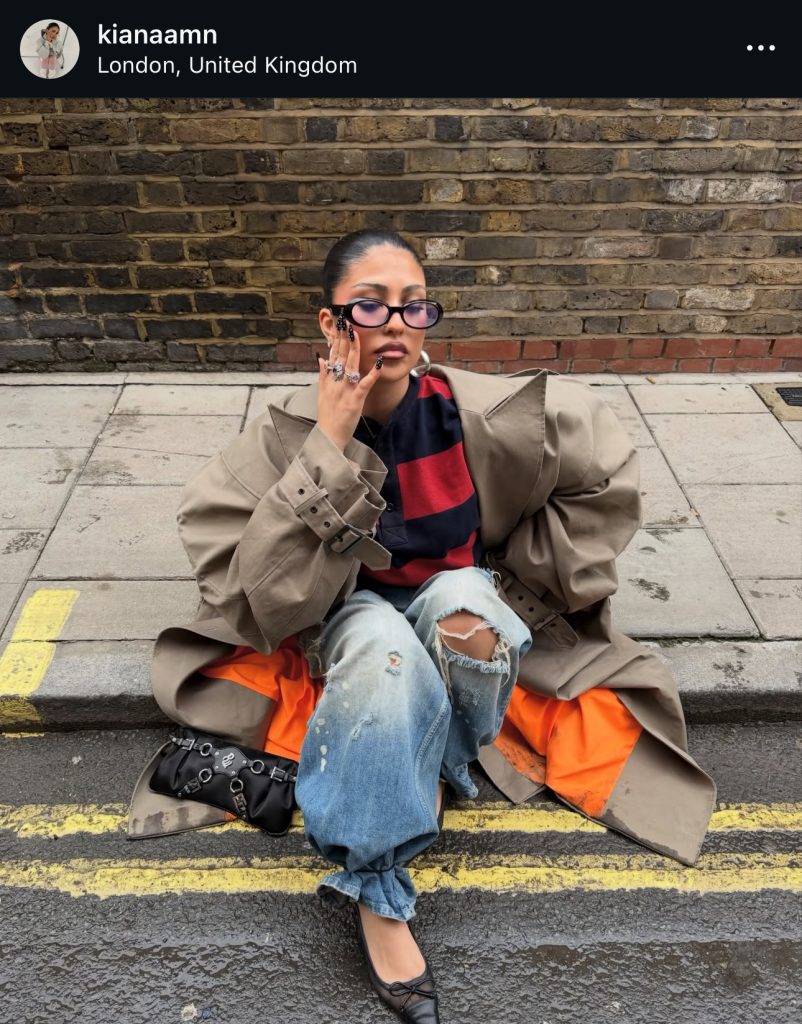
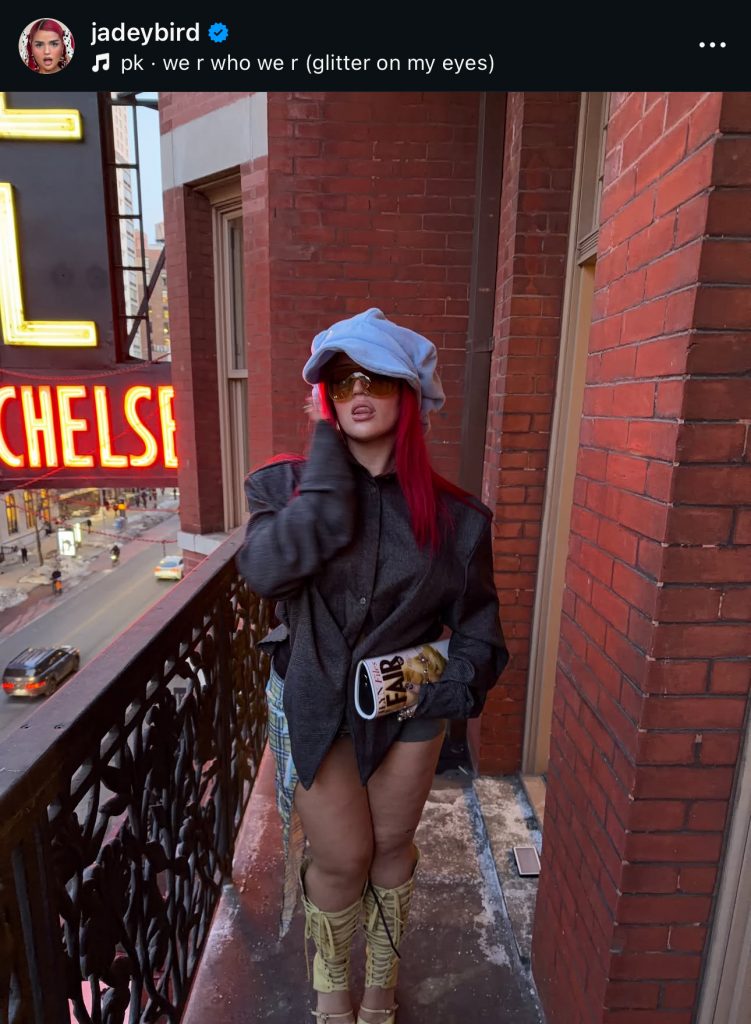
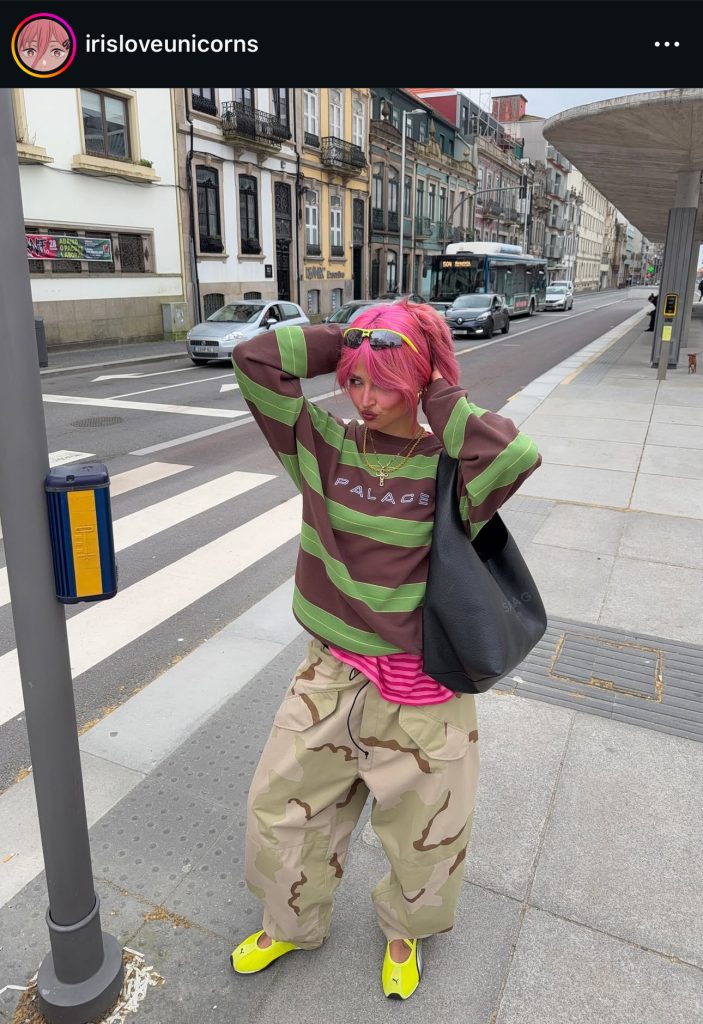
    Fashion influencers, at their core, are content creators who share style inspiration, outfit ideas, and brand recommendations with their followers. Some of my favorites are Kiana (@kianaamn), Jade Fiona (@jadeybird), and Ines Silva (@irisloveunicorns). Over time, they’ve become major players in the fashion industry, acting as a bridge between brands and everyday consumers. In fact, research shows that influencers can significantly shape how people perceive brands and whether they decide to make a purchase (Handranata & Kalila, 2025). This, over time, has become a huge deal for brands and designers.

    On the positive side, influencers have made fashion way more accessible. You no longer need to flip through expensive magazines to see trends – now they show up right on your feed. Many influencers also help people discover new brands, experiment with personal style, and feel inspired to express themselves. According to research, followers often turn to influencers for outfit ideas, product opinions, and trend updates, which makes fashion feel more interactive and personal (Escourido-Calvo et al, 2025).

    There’s also the strong feeling of relatability needed by consumers. Unlike traditional models or celebrities, influencers often feel more “real.” They talk directly to their audience, share their daily lives, and build trust. That trust is powerful – when followers perceive influencers as knowledgeable and authentic, they’re more likely to take their advice seriously! Some influencers even use their platforms to promote sustainability, body positivity, or mindful shopping, which can push the industry in a better direction.

    However, for designers and small businesses, there are definitely downsides to fashion influencers.

    One of the biggest criticisms of fashion influencers is overconsumption. If you’ve seen “haul” videos – where creators show off dozens of new clothing items – you’ve probably noticed how normalized constant shopping has become. This kind of content can encourage people to buy more than they need, contributing to fast fashion and waste. Even industry discussions point out that influencer-driven content can blur ethical lines, especially when creators purchase excessive items just for content and return them later (Hildreth, 2026).

    There’s also the issue of authenticity. Not every recommendation is as genuine as it seems. Sponsored posts and brand deals can make it hard to tell whether influencers truly love a product or are just being paid to promote it. Influencers in the past, when it comes to beauty (*cough.. Mikayla Nogueira) or fashion, have been caught exaggerating effects or reviews just to have better results for their videos. Without direct mention of a sponsorship, it can be hard to point out which posts are paid or not.

    And then there’s the pressure. Constant exposure to perfectly curated outfits and lifestyles can make people feel like they’re not “doing enough” with their own style. Some viewers even report changing their shopping habits or buying things they don’t actually need just to keep up. Influencers may be inspiring – but they can also unintentionally set unrealistic standards.

    Something interesting I found is how the influencer space itself is actually evolving. Trends like “de-influencing” and “frugal fashion” are starting to push back against overconsumption, encouraging people to shop more intentionally and rethink their shopping habits. So even within influencer culture, there is a growing awareness of its impact on the fashion industry.

    I created a Substack post explaining our shift of consuming fashion media, and how drastic the change really is. Influencers are just one (very noticeable) piece of that puzzle. So where does that lead the fashion industry moving forward?

    Fashion influencers aren’t entirely good or bad – they’re a mix of both. They inspire creativity and connection, but they can also fuel overconsumption and unrealistic expectations. Like most things online, it really comes down to how we engage with them.

    What do you think about fashion influencers? Do you have any favorites you love (or ones you avoid)? Comment below!

    Works Cited

    DeJesus, V. (2025, March 9). Digital Media is Killing the Fashion Industry [Review of Digital Media is Killing the Fashion Industry]. Substack; Substack. https://vjesus.substack.com/p/digital-media-is-killing-the-fashion?r=56w002&utm_campaign=post&utm_medium=web&triedRedirect=true

    Escourido-Calvo, M., Martin-Bermudez, F., Outes-Castro, F., & Santos, V. R. (2025). The Strategic Impact of Macro and Micro Fashion Influencers on Instagram. International Journal of Service Science, Management, Engineering, and Technology16(1), 1–18. https://www.sciencedirect.com/org/science/article/pii/S1947959X25000014?

    Handranata, Y. W., & Kalila, S. (2025). Attitude toward Fashion Influencers and Its Impact on Purchase behavior: the Roles of Brand Attitude and Purchase Intention. Frontiers in Communication10. https://www.frontiersin.org/journals/communication/articles/10.3389/fcomm.2025.1583602/full

    Hildreth, A. (2026, April 7). Are Haul Videos Making Fashion’s Returns Problem Worse? Vogue. https://www.vogue.com/article/are-haul-videos-making-fashions-returns-problem-worse?

  • Is Print Fashion Really Dying… or Are We Just Not Paying Attention Anymore?

    Is Print Fashion Really Dying… or Are We Just Not Paying Attention Anymore?

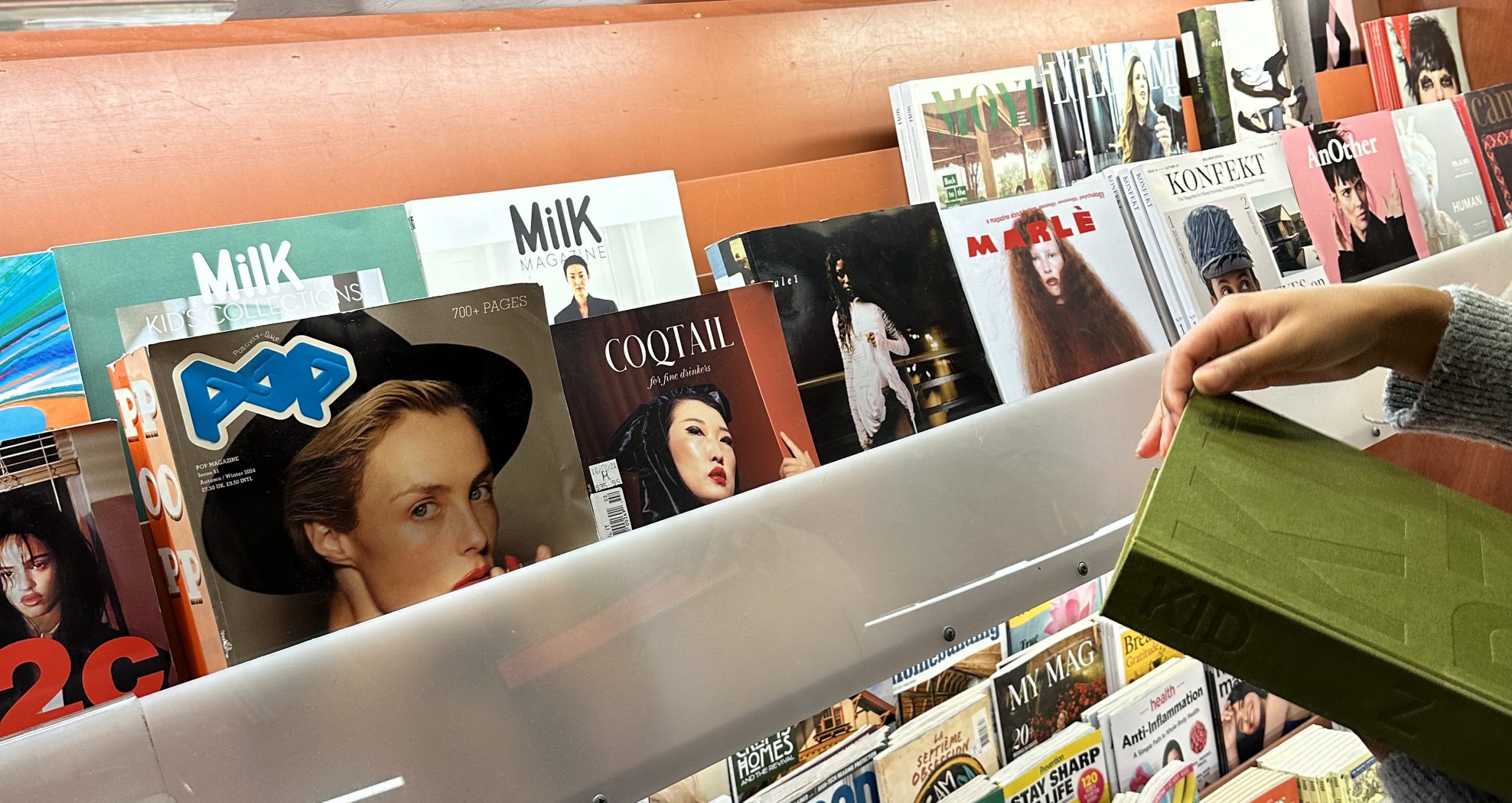
    When was the last time you picked up a fashion magazine?

    Not scrolled past a runway clip, or liked an outfit on Instagram. Not saved a trend on TikTok.

    I mean actually sat down, flipped through the pages, and spent time with it.

    If you’re anything like me—or honestly, like most people today—it’s probably been a while. Which is something I have become extremely interested in pertaining to the fashion industry. Over time, I have created essays and white papers (PDF linked below) about this topic; the rapid decline of today’s print media.

    When fashion magazines first became popular, they weren’t just a source of inspiration—they were the way people experienced fashion. Publications like Vogue (founded in 1892) or Harper’s Bazaar (1867) shaped trends, introduced designers, and told stories through carefully curated pages.

    But today, fashion mostly lives online.

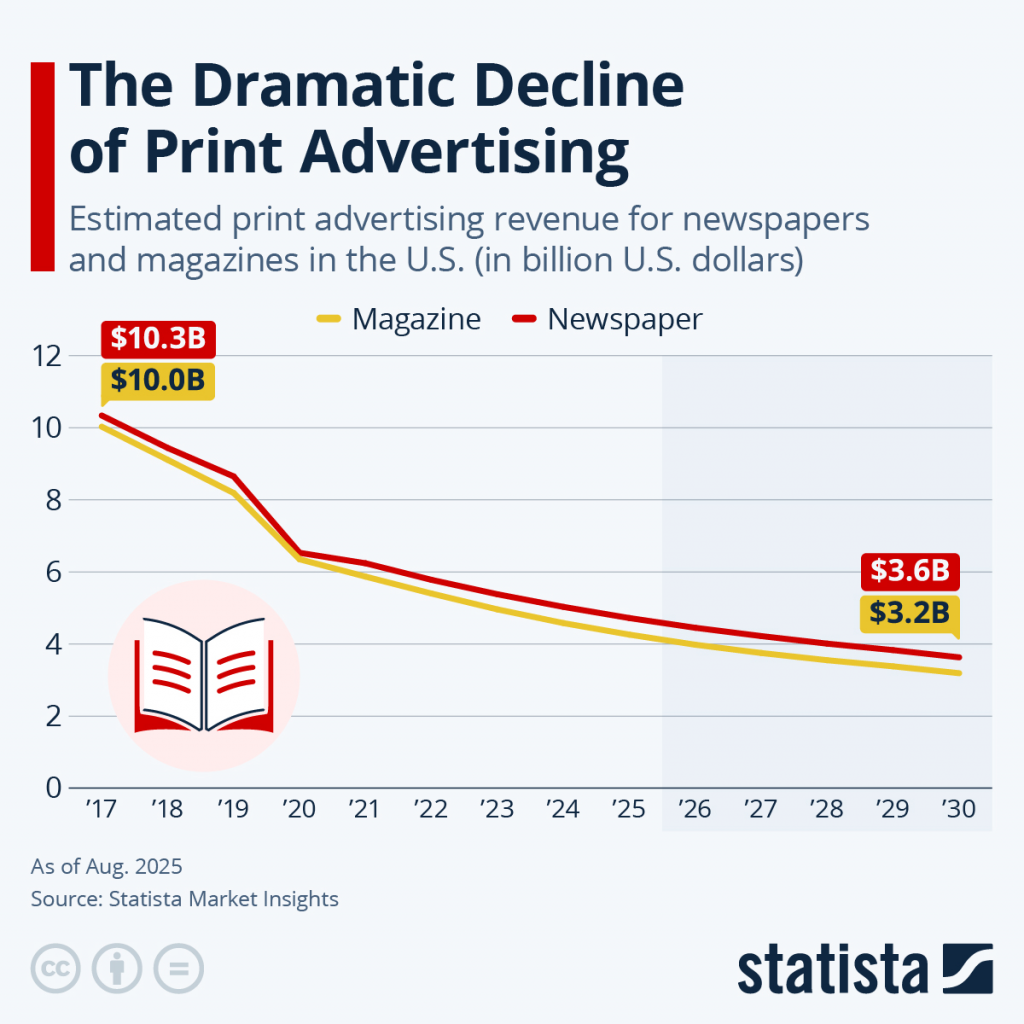
    According to research by Gitnux, nearly half of U.S. adults already consume magazines digitally, and print revenue is expected to keep declining over the next few years. We’ve also seen major shifts—magazines reducing issues, or even going fully digital (cough… Teen Vogue).

    A graph on Statista showing the predicted decline of print advertising. Without advertising, how are print magazines supposed to stay alive?!

    At first glance, that makes sense. Digital is faster, cheaper, and more accessible.

    So what is the true problem here?

    The problem isn’t just digital media—it’s how we interact with it.

    In my white paper, I focused a lot on the idea of attention. Specifically, how social media has completely reshaped our ability to focus on anything for a long period of time.

    Think about it: the average person spends hours a day on their phone, constantly switching between apps, videos, and posts. Fashion content—especially on platforms like TikTok or Instagram—is often consumed and scrolled past in seconds. Designers can spend months creating a collection… only for someone to watch a clip of it for three seconds before scrolling. This creates an entirely different relationship with fashion.

    What really stood out to me in my research is how this affects not just magazines, but the meaning of fashion itself. In the past, fashion used to feel more like storytelling; something you studied, interpreted, and appreciated over time. Now, it often feels more disposable. Trends come and go faster than ever, largely driven by algorithms and viral moments.

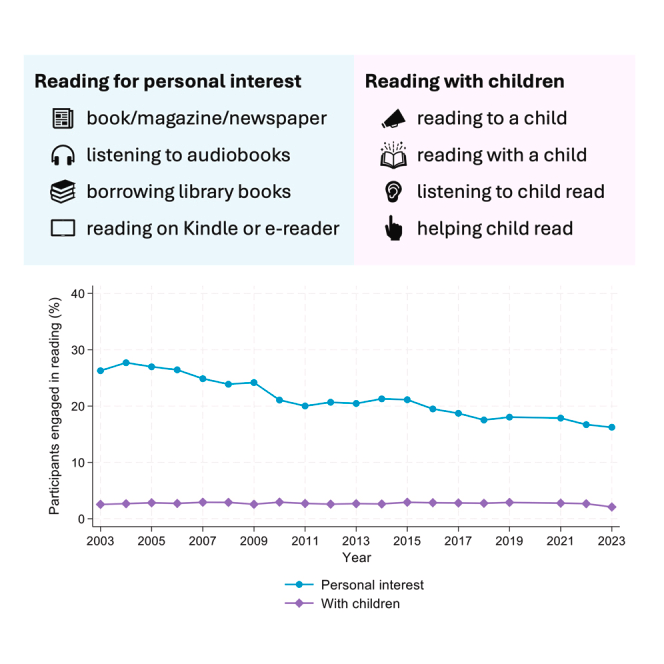
    There’s also been a noticeable decline in reading overall over the past 20 years. Fewer people are engaging with long-form content, which was once the backbone of fashion media. And when we lose that, we lose context – why something matters, who created it, and what it represents.

    Graph by the National Library of Medicine showing the percentage of reading for pleasure among adults from 2003 to 2023, showing a rapid decline of about three percent per year.

    Even within the industry, this massive shift is causing burnout. Faster trend cycles mean more pressure, less time to create, and less room for meaningful work. This, in time, has resulted in the decline of fashion-related careers as well, declining 30% since 2014 according to New York news outlet The City.

    In high hopes, I don’t think print media is disappearing completely. I think it’s becoming something else. Almost like a luxury. A moment to slow down in a culture that’s constantly speeding up.

    In my research, I talked about concepts like focus, flow, and deep work explained by Johann Hari – basically, the idea that meaningful creativity requires time and attention. And maybe that’s exactly what print still offers: it forces you to pause and sit with fashion instead of just skimming past it.

    So maybe the question isn’t “Is print fashion dying?”

    Maybe it’s: Do we still know how to engage with fashion in a deeper way?

    Because at the end of the day, fashion hasn’t lost its meaning—we’ve just changed how we experience it.

    View my more in-depth white paper here!

    Works Cited

    Bone, J. K., Bu, F., Sonke, J. K., & Fancourt, D. (2025). The decline in reading for pleasure over 20 years of the American Time Use Survey. IScience, 113288–113288. https://doi.org/10.1016/j.isci.2025.113288

    David, G. (2024, September 4). New York’s Fashion Industry Is in Dangerous Decline, New Study Warns. THE CITY – NYC News. https://www.thecity.nyc/2024/09/04/new-york-fashion-week-industry-decline-partnership/

    Fleck, A. (2025, November 26). The Dramatic Decline of Print Advertising. Statista Daily Data; Statista. https://www.statista.com/chart/35520/estimated-print-advertising-revenue-in-the-us/?srsltid=AfmBOoqJ8Gsfd5knhRaiO4EeKI4qde7bL-iHj-QhD4Lwi8sREMa96x0H

    Sharma, P. (2026, February 13). Magazine Industry Statistics (E. Santos, Ed.). Gitnux.org. https://gitnux.org/magazine-industry-statistics/

  • Getting Into Fashion: What I’ve Learned

    Getting Into Fashion: What I’ve Learned

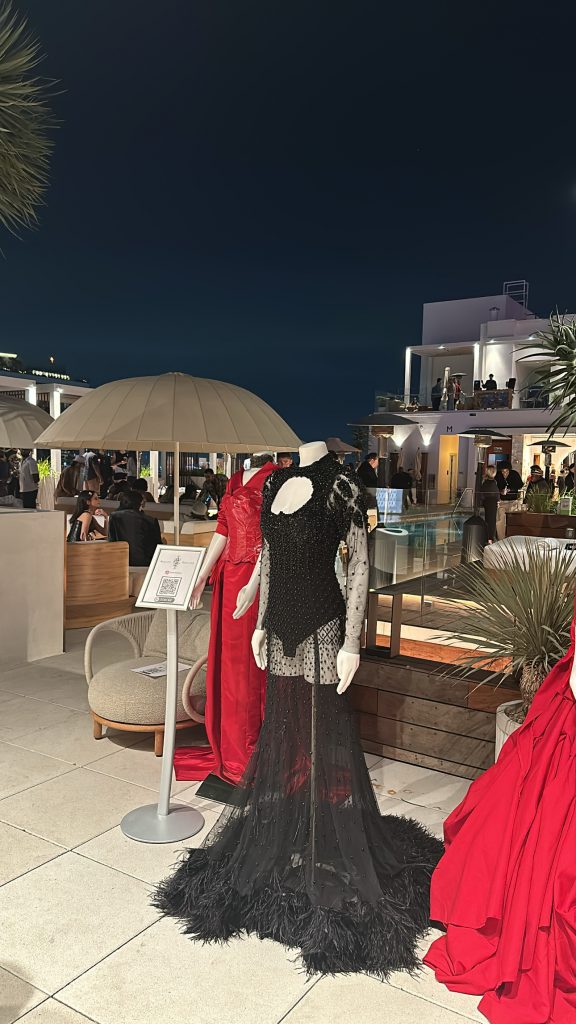
    Breaking into the fashion industry can feel intimidating, especially when it seems like everyone already has connections, experience, or a clear path forward. Two years ago, I felt the same way. I was passionate about fashion, constantly inspired by what I saw online, but unsure how to actually step into the industry. That started to change when I landed an internship in late 2024 with Maison Privée, a fashion PR showroom based in West Hollywood, California. That experience gave me a behind-the-scenes look at how the industry really works—and more importantly, what it takes to get started.

    Before my internship, my interest in fashion was heavily shaped by social media. Platforms like TikTok and Instagram made trends feel immediate and accessible, and they introduced me to stylists, editors, and creators who made the industry seem both aspirational and within reach. Social media didn’t just inspire me—it made me curious about the work behind the visuals. Who was pulling the clothes? Who was organizing the shoots? Who was making these moments happen?

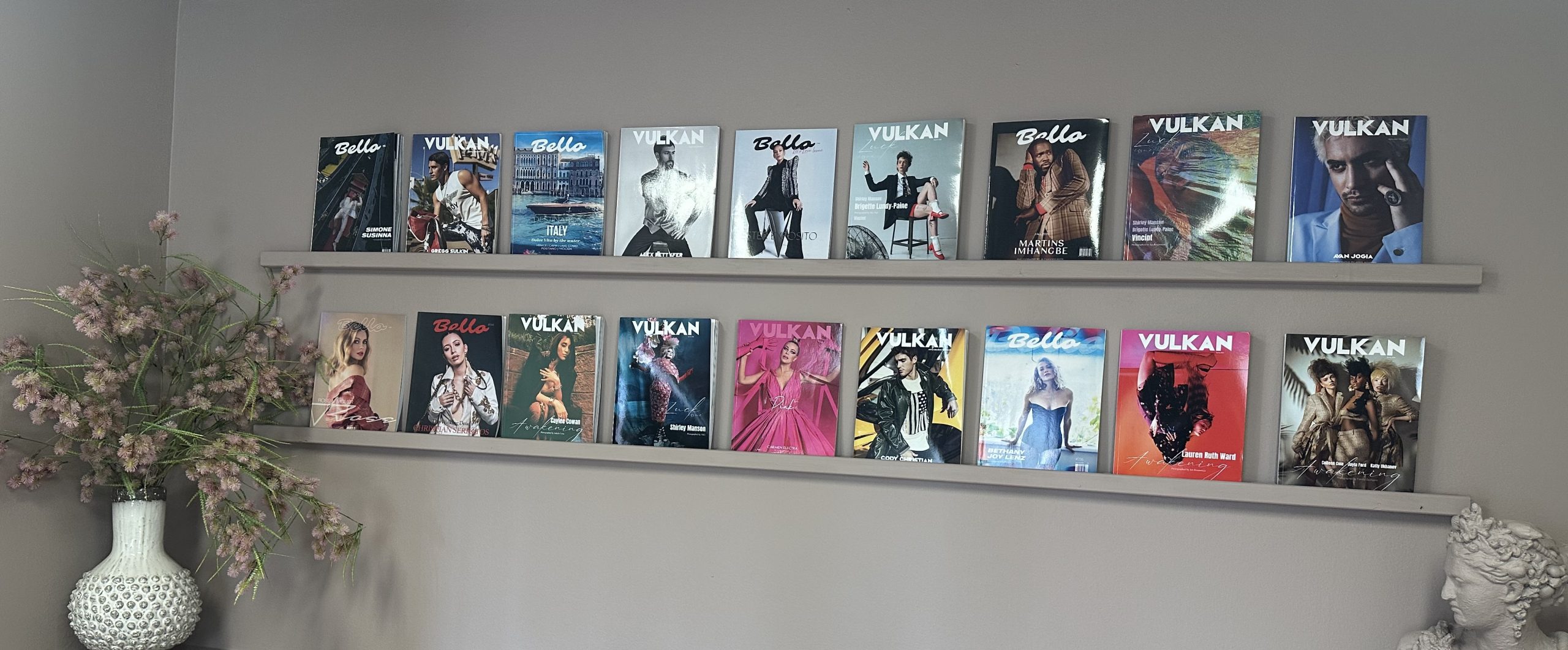
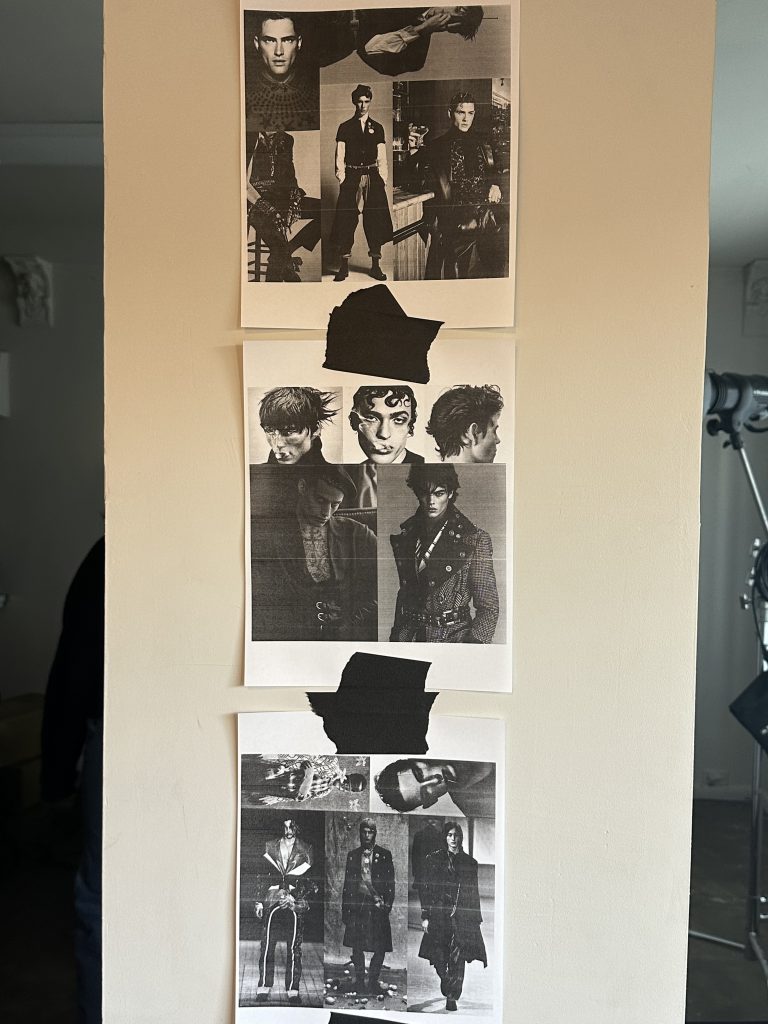
    At Maison Privée, I started to understand those answers. I assisted stylists during showroom appointments, helping them pull pieces for clients, and I also contributed to photoshoots for their partner publication, Bello Magazine. These moments showed me how much coordination, communication, and creativity go into even a single shoot. Fashion isn’t just about clothes—it’s about storytelling, branding, and relationships.

    One of the biggest lessons I learned is the importance of putting yourself out there. Opportunities in fashion don’t always come from formal applications alone—they come from conversations, introductions, and being present. Even during my internship, having just one engaging conversation with a stylist almost secured me a spot as her personal assistant! Too bad I live across the country :/

    Whether it was interacting with stylists, observing how PR teams communicated with clients, or simply being reliable and engaged in my role, I realized that people notice effort. Being proactive and showing genuine interest goes a long way.

    Connections are everything in this industry, but not in the intimidating way it’s often portrayed. It’s less about “who you know” and more about how you build relationships over time. Being kind, professional, and curious can open doors you didn’t even know existed. Even small interactions can lead to future opportunities if you leave a positive impression.

    For anyone looking to get into fashion, my biggest advice as someone who is still learning is to start where you are. Use social media as a tool, not just for inspiration but for learning and connecting. Keep up with fashion blogs and companies to know the inside of the industry before you even get in. Follow industry professionals, engage with their content, and pay attention to how trends and branding evolve. Don’t be afraid to reach out, apply for internships, or take on smaller roles to gain experience. Every step adds up.

    Caption: Two of my favorite resources are The Business of Fashion and Women’s Wear Daily, who provide readers with all aspects of fashion. With well-written articles and engaging content, I continuously get informed with some of fashion’s top news through these websites.

    Fashion is constantly changing, and social media is a huge part of that evolution. It has made the industry more accessible while also more competitive. But that also means there’s space for new voices, new perspectives, and new ideas. You don’t need to have everything figured out to get started—you just need to be willing to take that first step.

    Looking back, my journey into enjoying fashion didn’t happen all at once. It started with curiosity, grew through experience, and continues to evolve. If there’s one thing I’ve learned, it’s that getting into fashion isn’t about waiting for the perfect opportunity—it’s about creating your own path and being open to where it takes you.