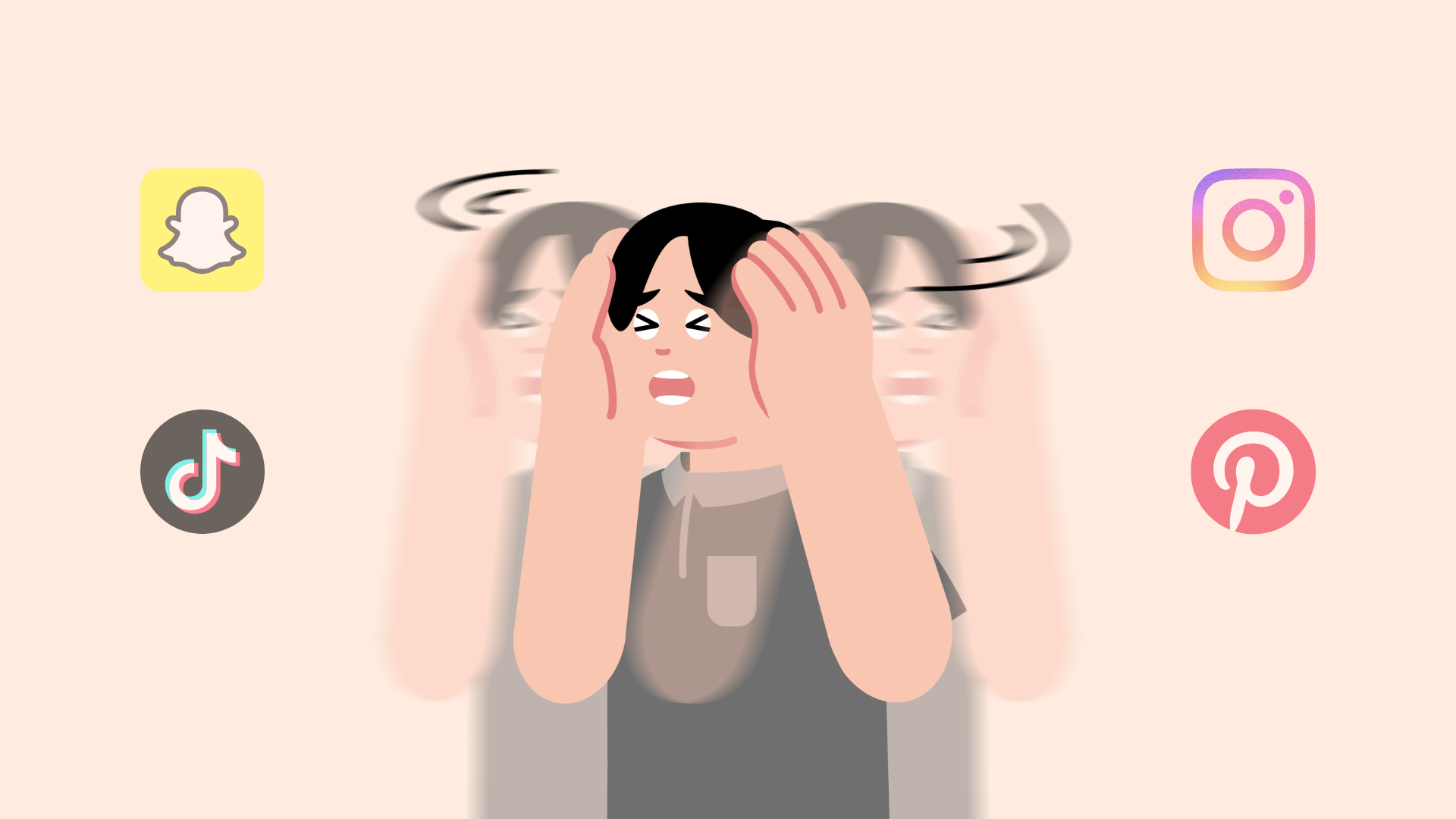
Be honest – how many times have you opened TikTok “for five minutes” and looked up after doom scrolling for an hour?
Don’t worry, it happens to us all.
That feeling is called stickiness. In social media, stickiness refers to how well content keeps you coming back, staying longer, and interacting more. It’s the reason you binge videos, double-tap posts, and fall into comment-section rabbit holes.
Stickiness, however, isn’t just about wasting time. It can actually be used for something good!
According to research on platforms like YouTube, stickiness is driven by things like interactivity, sharing behavior, and personal motivation—basically, content that makes you feel involved and connected keeps you around longer (Chiang & Hsiao, 2015). Things like comments, likes, reposts, and other actions help make you feel like part of something.
If content creators and organizations understand what makes something “sticky,” they can use it to promote causes that matter. For example, awareness campaigns, mental health resources, or social justice movements can use emotional storytelling, relatable content, and interactive features to pull people in and keep them engaged. The more time people spend with meaningful content, the more likely they are to learn, share, and take action.
Even marketing expert Neil Patel emphasizes that “sticky content” works best when it’s valuable, emotional, and easy to engage with – basically, content people actually care about (Patel, n.d).
While all of this is positive, stickiness can also be negative.
The same strategies that keep you watching educational videos can also trap you in endless scrolling, misinformation, or content that isn’t exactly helping your mental health. Platforms are designed to keep your attention, not necessarily protect your well-being. And while engagement becomes the goal, it often becomes blurred with so much doom scrolling leading to negative thoughts and perspectives.
All in all, we can conclude that stickiness isn’t good or bad, but is a tool that depends on how it’s used.
Creators, brands, and even everyday users have the power to shape the information that spreads. If we focus on content that informs, uplifts, and connects people, social media can actually move us toward a brighter future, instead of a more distracted one.
Leave a Reply