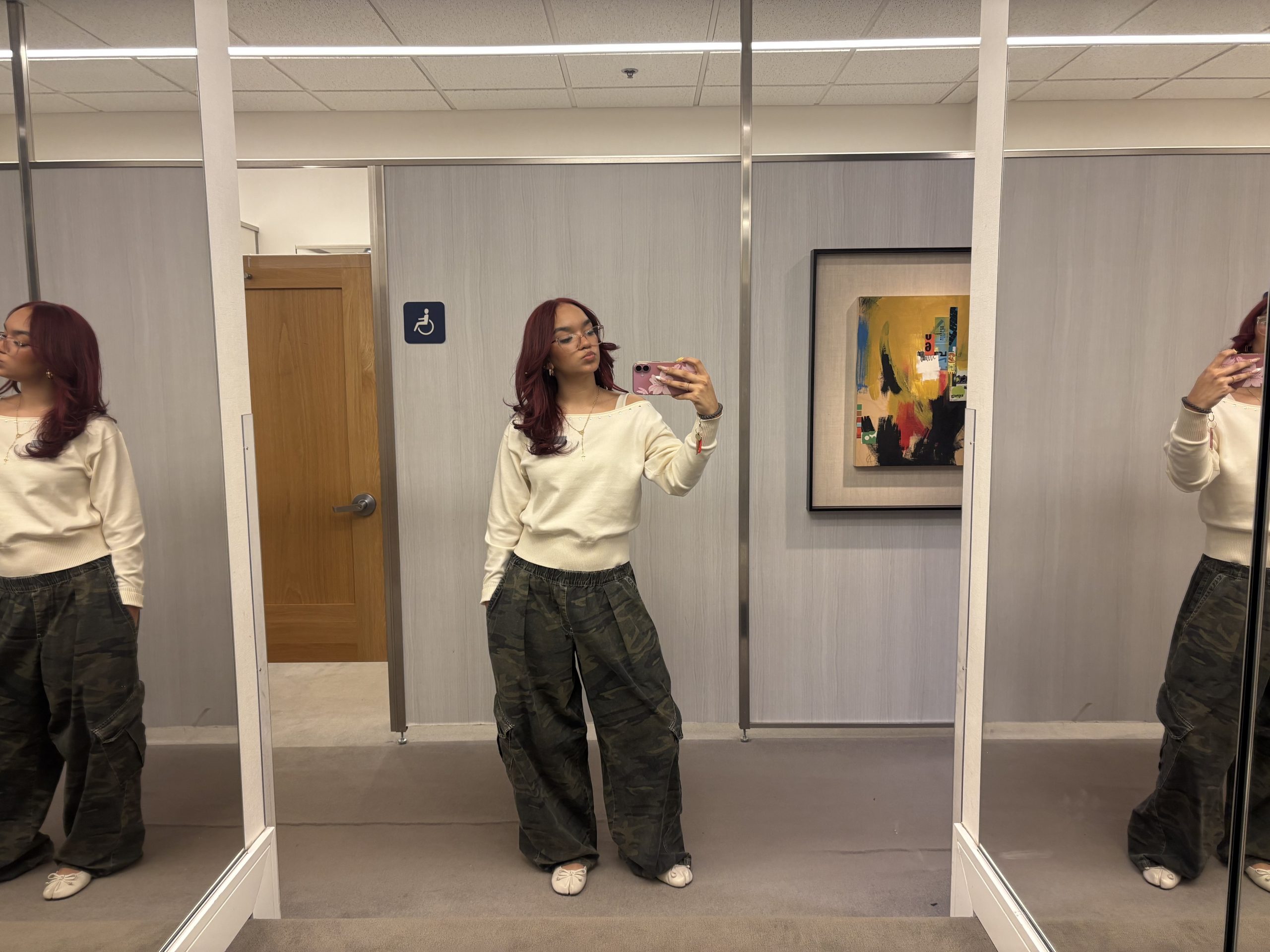
If you’ve spent even five minutes on TikTok lately, you’ve probably seen a new “must-have” item every week. One day it’s ballet flats, the next it’s chunky headphones as accessories. Welcome to the world of microtrends – tiny, fast-moving fashion waves that rise and fall almost overnight.
Microtrends are largely fueled by social media, where content is constantly refreshed and trends spread instantly. Because of this, styles don’t last long – what’s viral today might feel outdated next month (Lee, 2022). Unlike traditional fashion cycles that have lasted decades, microtrends are unpredictable and short-lived, often driven by algorithms and influencer culture rather than designers or seasons (Talbot, 2021).
On the surface, microtrends are fun. They allow for creativity, experimentation, and self-expression. On the downside, they are deeply tied to fast fashion.
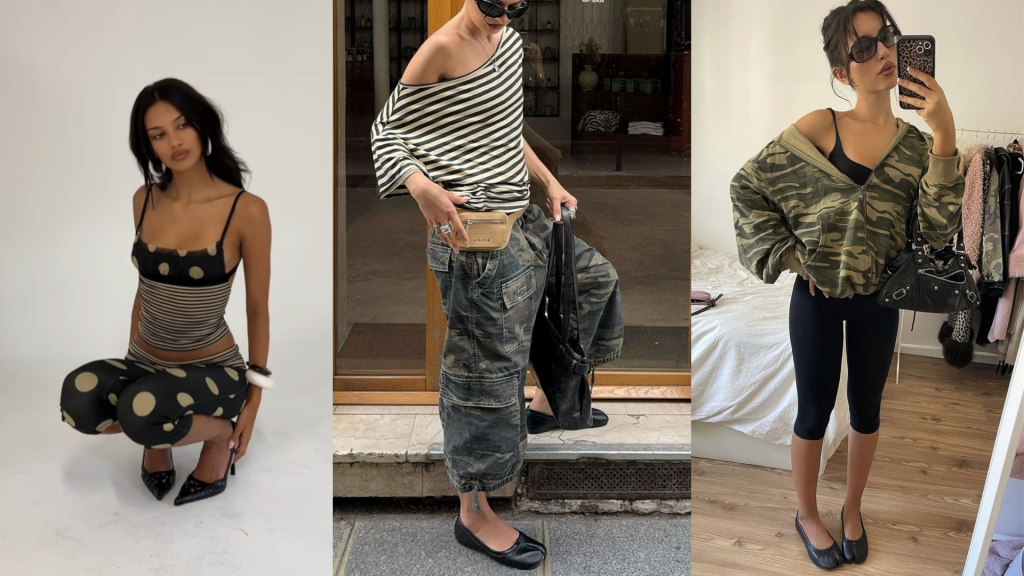
Fast fashion brands (SHEIN, TEMU, TikTok Shop) thrive on speed – producing cheap, trendy clothing at an extremely rapid pace to keep up with demand. This model encourages overconsumption, with people buying more clothes and wearing them less. In fact, clothing production has doubled since 2000, and many garments are discarded after only a few wears (McKinsey & Company, 2025). The environmental impact is massive, contributing to significant waste and carbon emissions.
So where does timeless style come in?
Timeless fashion is the opposite of microtrends. Examples include neutral blazers, well-fitted jeans, classic white shirts – pieces that don’t just go out of style and can be worn for years. Instead of chasing what’s trending, timeless style focuses on quality, versatility, and longevity.
As microtrends rise, many consumers – especially Gen Z – are becoming more aware of sustainability and shifting their habits. Some are turning to thrifting or investing in fewer, better-quality pieces to reduce waste (CT Insider, 2025).
This shift has also spotlighted sustainable designers and brands. Labels like Reformation, Stella McCartney, and Patagonia prioritize ethical production, eco-friendly materials, and transparency. Smaller brands like Paloma Wool also show how creativity and sustainability can coexist (Talbot, 2021).
On the other hand, sustainable fashion isn’t perfect – it can sometimes be more expensive and sometimes falls into “greenwashing,” where brands exaggerate their eco-friendly efforts. But overall, sustainable clothing encourages a mindset shift: buying less, choosing better, and wearing pieces longer.
So… what should you actually buy?
The answer isn’t to completely avoid trends. Fashion should still be fun! But before impulsively buying into every microtrend, I always ask myself these questions:
- What items do I already have that I can pair this with?
- Will I wear this more than a few times?
- Can I style it in multiple ways?
- Does it align with my personal style?
A balanced wardrobe might include a few trendy pieces, but should be built on a foundation of timeless staples and sustainable choices.
Microtrends aren’t going anywhere, but neither is the growing awareness of their impact. As consumers, we have more power than we think. Every purchase, from fast or sustainable fashion, is a vote for the kind of fashion industry we want to support.
In the past, have you preferred sustainable or fast fashion? Why?
Works Cited
Lee, A. (2026). Microtrends: The Implications of What You See on Your “For You” Page. The Harvard Crimson. https://www.thecrimson.com/article/2022/2/18/microtends-fashion-think-piece-tiktok/?
Lutge, K. (2025, June 7). Gen Z is choosing thrifting in Connecticut instead of fast fashion. CT Insider. https://www.ctinsider.com/business/article/gen-z-thrifting-connecticut-fast-fashion-20357233.php?
Talbot, H. (2021, June 4). Are Instagram microtrends making or breaking sustainable fashion? Euronews. https://www.euronews.com/2021/06/05/are-instagram-microtrends-making-or-breaking-sustainable-fashion?
What is fast fashion? (2023, December 7). McKinsey & Company. https://www.mckinsey.com/featured-insights/mckinsey-explainers/what-is-fast-fashion?
Leave a Reply