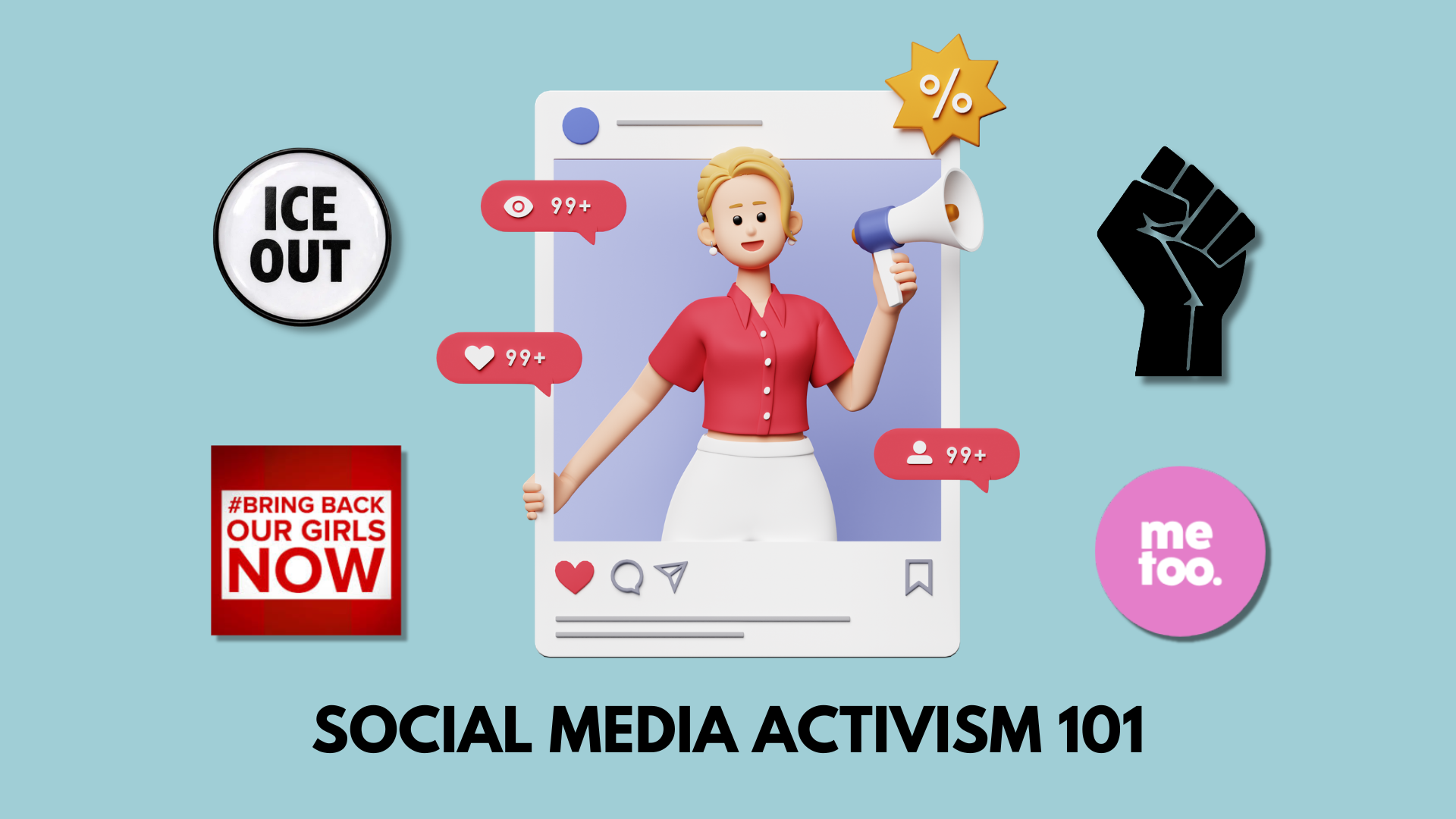
You’ve probably done it before—liked a post about an issue, maybe shared it to your story, and then kept scrolling like nothing happened.
Same.
It kind of makes you wonder… does social media activism actually work, or are we all just participating in something that feels important but doesn’t really go anywhere?
After learning more about it, I realized the answer isn’t that simple.
In a nutshell, social media activism is basically how people use platforms to raise awareness, organize, and push for change. But what makes it different from older forms of activism is how connected everything is. Social media creates these huge networks where information can spread instantly, connecting people across different places, backgrounds, and experiences to one social issue.
Unlike the past, movements can go viral overnight – no need to wait for the next news segment or newspaper to come out.
But what really surprises me is that social media isn’t just about posting. It actually plays multiple roles behind the scenes. It helps people organize events, recruit others, share ideas, and even coordinate real-world action. Think of #MeToo, or #BlackLivesMatter, and their turnouts in terms of protests and real-world activism. In other words, what happens online doesn’t always stay only online.
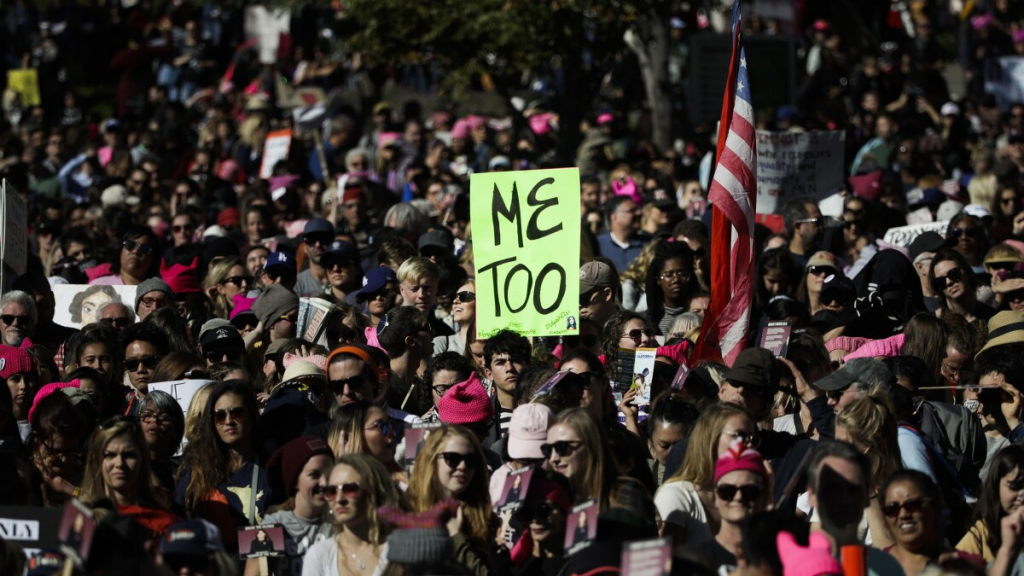
At the same time, there’s still a lot of debate about whether this kind of activism is “enough.” You’ve probably heard the term slacktivism—the idea that liking or sharing something is a weak form of activism. And honestly, that can be true sometimes. Clicking a button is easy, and it doesn’t always lead to deeper understanding or real change.
But that’s not the whole story.
Even small actions online can help spread awareness, and awareness is often the first step toward change. Social media also gives people a voice who might not have had one before. It allows individuals to share their experiences, build communities, and challenge dominant narratives without needing traditional media.
Still, there are limits. Not everyone sees the same content, and sometimes messages get lost in the noise. Social media can also create its own hierarchies, where certain voices get more attention than others. So while social media feels open and free, it’s not always equal to everyone.
I think the biggest takeaway for me is that social media activism isn’t meaningless—but it’s also not enough on its own.
It’s a tool. And its impact depends on how we use it. So the question isn’t if posting matters, but instead what we do after we post.
Leave a Reply