Brands today have unlocked new ways of engaging newer audiences and luring them into buying products that they’ve never seen before. How do they do it? Well, besides the power of social media, the power of behavioral economics has constantly been proven to persuade customers into buying newer products!
Behavioral economics studies how people actually behave — which is often messy, biased, and satisficing — rather than how they’d behave if perfectly rational. Designers translate those predictable biases into tools: defaults, framing, anchors, scarcity cues, and social proof are all ways to shape choice architecture so users make better (or at least more desirable) choices. In an article, Bridgeable collects practical BE “principles” for designers and show how anchoring, default settings, and loss aversion can be applied in real product flows and capturing newer consumers.
Gestalt Principles
Two psychological toolkits designers rely on heavily are Gestalt principles and affordances. Gestalt gives us laws of perceptual organization — proximity, similarity, figure–ground, etc. — that help users analyze visual information immediately. Let’s name a few!
- Similarity: Do the elements look alike?! Same colors, font, size, texture?!!
- Simplicity: Our minds perceive everything in it’s simplest form.
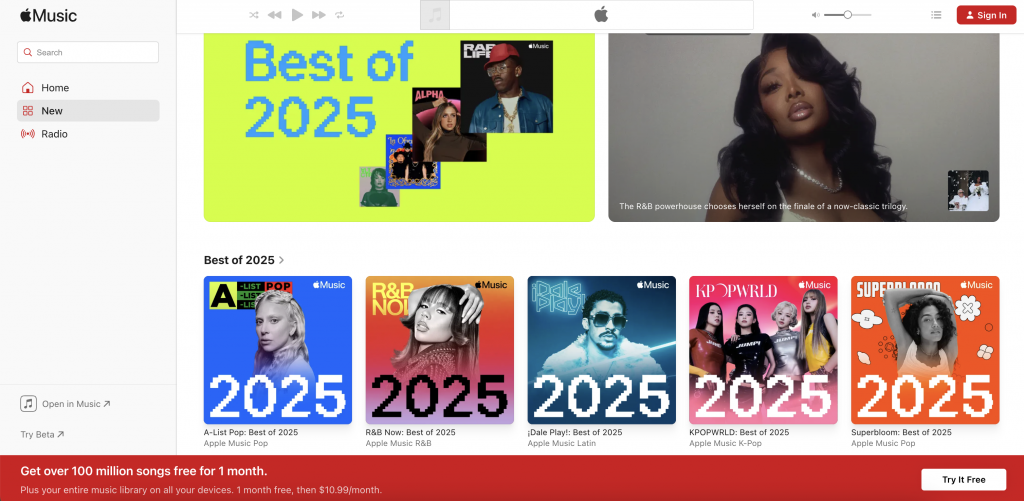
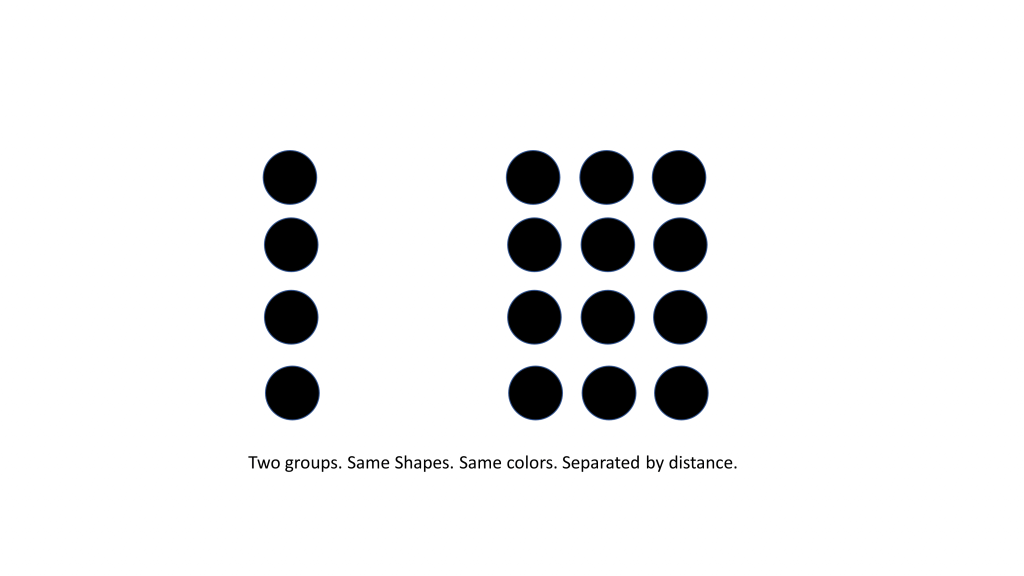
- Proximity: We perceive elements as belonging to the same group if they are closer together.
The good use of Gestalt’s principles reduces cognitive load on consumers: group related controls, make the primary action pop, let the eye follow natural continuity. Canva’s summary on Gestalt offers great visual entry point for these ideas.
Affordances are the cues that tell a user how to interact with an object (a button that looks pressable, a slider that looks draggable). When affordances align with user expectations, decisions are frictionless; when they don’t align, users hesitate, make errors, or abandon tasks. The Interaction Design Foundation’s article explains why designing obvious affordances is crucial when designing.
Creating Emotional and Sensory Decisions
Behavioral economics also reminds designers that decisions are emotional and sensory, not just rational. Multi-sensory design (sound, motion, haptics, even smell in physical environments) creates stronger memories and shapes preferences. Digital designers are now bringing subtle sound cues, motion, and tactile feedback into interfaces to make experiences stickier — not as tricks, but as an extension of the brand’s personality and affordances.
“Every experience in design is multi-sensory, whether we want it or not.”
~ Akna Marquez, Introduction to Multi-sensory Design
Behavioral economics gives designers the power to shape decisions, but the best designs aren’t about forcing behavior—they’re about guiding it. Thoughtful nudges, clear affordances, and perceptually intuitive layouts help users move through an experience effortlessly, leaving them feeling confident, informed, and in control.
Every click, scroll, or swipe is a tiny moment where design meets human psychology. By understanding how perception, emotion, and bias influence decisions, designers can craft experiences that feel natural and satisfying. The subtle science behind our choices isn’t just a tool, it’s a bridge between human behavior and genuine, meaningful design.
Leave a Reply