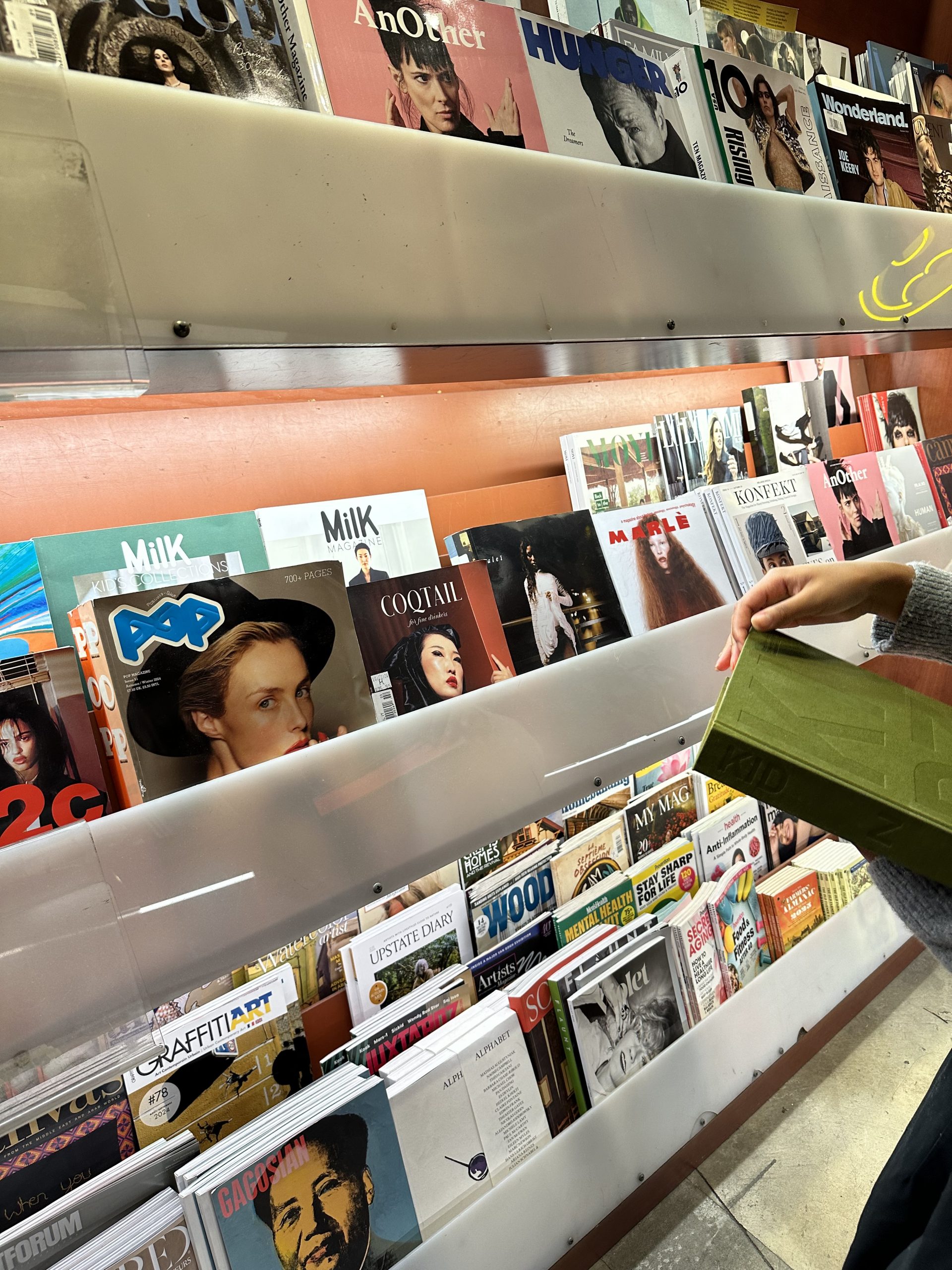
In an economy where consumers increasingly pay for experiences rather than just goods or services, design has quietly become one of the most powerful value creators. Designers, now, can be seen as architects of value, not just aesthetics.
Design creates value through emotional connection. Don Norman’s ideas of emotional design helps explain why: great experiences operate at three levels — visceral (instant sensory reaction), behavioral (usability and pleasure in use), and reflective (meaning and identity tied to the product). When a product scores on all three, it doesn’t just satisfy a need — it becomes memorable and preferred. This is why a designer item or a warm coffee shop visit can feel like an emotional purchase compared to a transactional one.
Design Tactics That Speak Emotion
Practical tactics designers use to evoke emotion include color, typography, and interaction choreography. Color is one of the fastest emotional shortcuts: marketers and designers use red for urgency or passion, blue for trust and calm, and green for growth and health. Thoughtful color systems can surely increase recognition and nudge choices at the point of sale or sign-up.
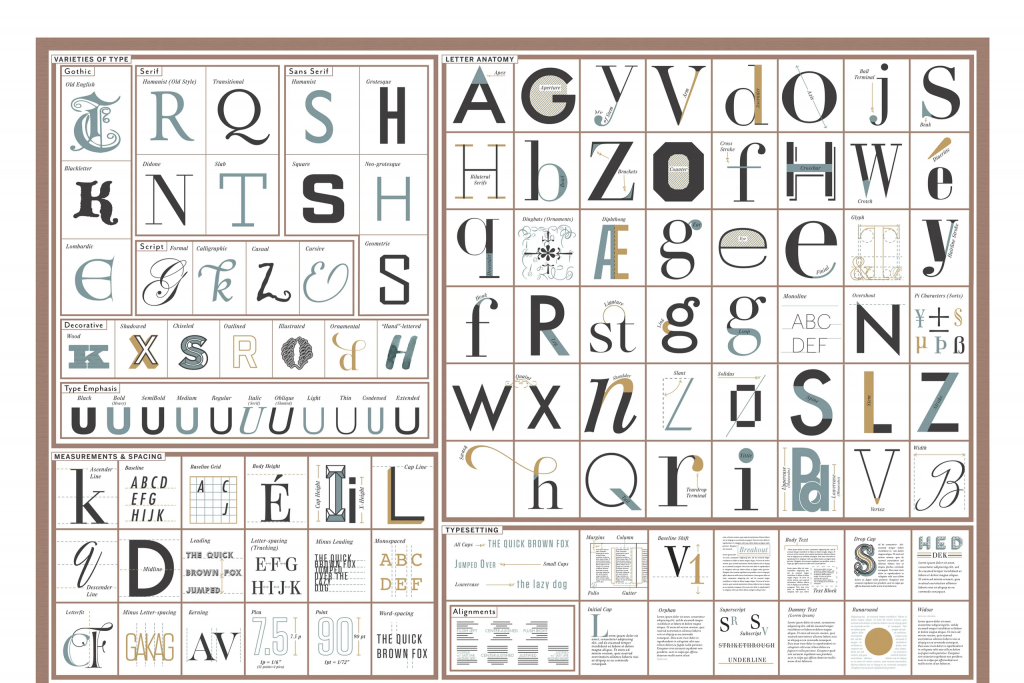
Typography matters too! Typeface choices carry personality: serifs can signal tradition and credibility, sans-serifs feel modern and clean, and script or display faces can feel playful or luxurious, or even romantic. Recent neuroscience and UX research shows that letter shapes and readability influence not only comprehension but also emotional response and trust — meaning typography can be a design tool for shaping how someone feels about a brand before they even read a word.
Designing Through Feelings
Some of the most successful brands use design to stage emotional experiences. Apple is a master of visceral delight — its minimal product design, clean typography, and gallery-like stores make every interaction feel intentional. The company also delivers behavioral satisfaction through intuitive interfaces and reflective value through brand identity; owning Apple products can signal creativity and design awareness for consumers.
Barnes & Noble takes a similar approach through sensory design with their cafes. The cafe’s lighting, music, and books all around work together to create comfort and familiarity, turning an ordinary coffee run into a ritualized experience for readers. Both brands demonstrate that emotion, not just function, can drive loyalty and premium pricing.
Using Design Tools to Map Emotion
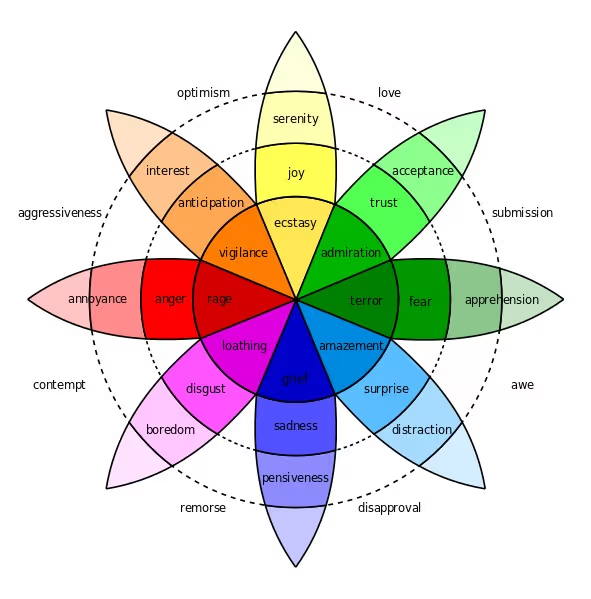
Designers also use emotional models to be intentional. Tools like Plutchik’s Wheel of Emotions help teams map which emotions (joy, trust, surprise, anticipation) they want to trigger and then choose design elements accordingly — for example, using warm tones and rounded shapes to evoke comfort and trust, or contrast, motion, and surprise to evoke excitement. This moves design from “making things pretty” to a strategic role in experience engineering.
Finally, measurable ROI (return-on-investment) follows emotional connection. Experiences that evoke positive emotions drive retention, word-of-mouth, and willingness to pay. The practical takeaway for visual storytellers and product teams is simple: design every touchpoint (visuals, words, interactions, environment) with the emotional arc in mind — stage the visceral, deliver useful behavioral outcomes, and create reflective meaning that customers may want to bring into their identity.
Design in the experience economy should not be skipped — it is crucial! When designers combine evidence (color & type research), models (Norman’s three levels; Plutchik’s wheel), and brand staging (Apple, Starbucks), they do more than shape appearances: they create value that customers emotionally invest in — and gladly pay for.
In so many ways, designers can make any experience memorable through design. Such emotional responses by consumers will encourage them to come back, buy again, and refer the product to others. In my opinion, design can probably attract more consumers than the product itself. It is up to the designer to make the product stand out.
Leave a Reply